


Why Pet Parents Choose OWLTRA for Poison-Free Rodent Control in the Kitchen
Executive Summary
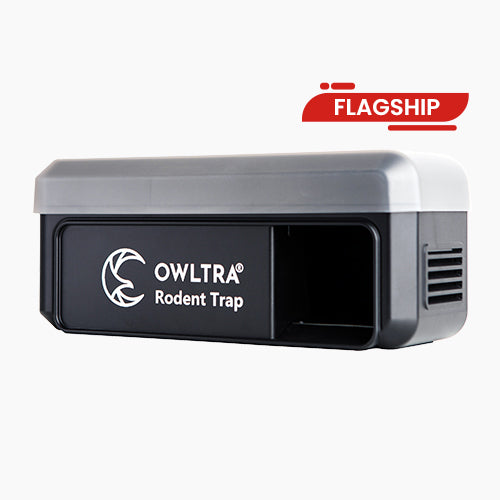
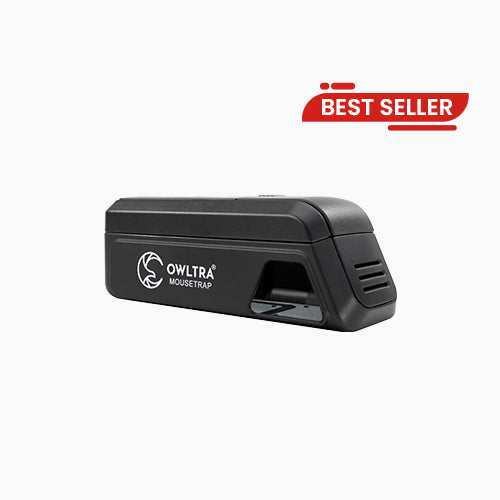
For people with pets, getting rid of rodents in the kitchen—the spot where everyone eats and hangs out—is not just about removing mice or rats. Safety, cleanliness, and a stress-free home are top priorities, especially with animals around. Traditional poisons bring hidden dangers: pets may eat the bait or a poisoned rodent, you might end up with bad smells, or face a nasty cleanup job. The owltra OW7 (EMZ50) electronic rodent trap is designed for pet homes, using no poisons and focusing on real-life needs. This report breaks down current trends, product details, user feedback, and key considerations, offering pet owners tips for a safer and cleaner kitchen.
Introduction
You’re walking into the kitchen late at night for some water when you hear something rustling behind the fridge. Now you’ve got a problem: how do you handle a rodent fast, in a way that’s safe for your pets?
Pet owners have extra concerns. Standard solutions—like poison baits or classic snap traps—can put dogs and cats at risk. A curious pet getting into the wrong area can turn a simple pest issue into an emergency vet visit. On top of that, rodents cause food safety problems, chew up wiring, and make your kitchen areas risky from the pantry to under the sink.
Because of these risks, more pet owners are steering away from toxic options and looking for safer, smarter ways to manage rodents. The owltra OW7 electronic rodent trap steps in here, using enclosed, pet-safe design instead of chemicals. But does it actually work for homes with pets? Here’s what you should know.
Actionable Tips
For Pet Parents Considering the OW7 in the Kitchen
-
Placement is Key:
- Set the trap along walls, behind big appliances, or under sinks—anywhere you think rodents are moving.
- Skip spots like open floors, pet feeding areas, or damp zones.
- For bigger problems, or if your kitchen connects to a garage or utility room, use more than one trap.
-
Setup Best Practices:
- Wear gloves every time and use fresh bait. Peanut butter works well, but if rodents avoid it, try bacon or hazelnut spread.
- Store pet food securely and sweep up crumbs to make the trap more appealing.
- If you use USB power, tuck the cord out of pet’s reach and make sure not to hook up batteries at the same time.
-
Routine Maintenance:
- Look at the trap every 24–48 hours.
- When you catch a rodent, use the side door to toss it out without touching it.
- Clean the removable section with warm water or hydrogen peroxide, but keep electronics dry.
-
Monitor Pets and Alerts:
- Watch how your pets respond to the buzzer. If they’re startled, try moving the trap out of sight at first.
- For really nervous pets, consider covering the unit with a box (with holes for air), just don’t block the rodent’s entrance.
-
Integrate with Broader Rodent Control:
- Seal up cracks, improve cleanliness, and keep food and water put away. Traps alone won’t keep rodents gone for good CDC.
-
Troubleshooting Tips:
- If something is eating the bait but not getting caught, move the trap or try a different bait.
- If the trap’s power or sensors act up, check the instructions or reach out to support.
Snapshot: Quick Reference Table
| Feature | Pet Parent Benefit | Potential Limitation/Risk |
|---|---|---|
| No Poison | No secondary toxicity risk | Needs more frequent bait changes |
| Enclosed Tunnel | Blocks pet/paw access | Large footprint, doesn’t fit everywhere |
| LED/Buzzer Alerts | No “forgotten” catches | Sound may startle some pets |
| Hybrid Power | Flexible placement | No simultaneous battery/USB |
| Waterproofing | Safe for damp locations | Not fully submersible or flood-proof |
Conclusion
For people with pets, the kitchen is more than a place to cook—it’s where safety, food, and family life come together. Most rodent control forces you to trade off between getting results and keeping pets safe, or between quick fixes and a clean kitchen.
The owltra OW7 isn’t perfect, but its design—no poisons, sealed entry, easy disposal, and clear alerts—is built around what pet homes need. Its main benefits are the chemical-free operation, no-touch cleanup, two power options, and the peace of knowing when to check the trap. Those strengths only matter if you also take care with placement, maintenance, and combine it with other pest control habits.
If you want rodent control that works and you’re not willing to risk your pets’ safety, the OW7 is worth considering. Use it as part of an overall plan—block rodent entry, store food tightly, keep watch—and your kitchen can stay the safe, central gathering place you want.