


Why Gardeners Choose OWLTRA OW7 Over Traditional Traps for Wet-Season Rodent Surges
Executive Summary
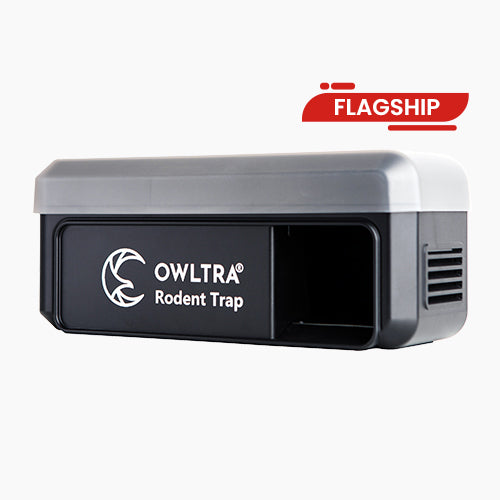
Every wet season brings the same headache for gardeners: when the rain soaks the ground and fills burrows, rodents push into gardens and sheds looking for shelter. Standard options—snap traps, glue boards, and rodenticides—tend to let people down just as the pressure ramps up, leading to frustration with malfunctioning traps and concerns about environmental impact. Lately, more people are turning to the Owltra OW7 (Model EMZ50), an electronic rodent trap that has earned a name for handling these seasonal rodent invasions. The following guide breaks down why the OW7 now gets picked by more gardeners in suburban and rural areas, focusing on how it works in wet weather, its advantages, drawbacks, and tips for using it effectively for long-term rodent control.
Introduction
Anyone who tends a garden knows the dread that hits when spring or fall storms arrive: flooding garden beds, muddy greenhouse paths, and rodents suddenly everywhere. Maybe you notice droppings lined up next to the compost bin, scratch marks on the shed foundation, or seedlings chewed and tossed aside. It happens year after year, and each time, the struggle begins again.
Old-school pest tools—snap traps, glue boards, poison—promise easy answers. But anyone battling rodents during wet weather knows these tools often give out when you need them most. Springs rust. Baits get soggy and rot. A bit of water ruins a glue board. The cycle repeats: more setting, more cleaning, more risk.
This ongoing problem has led people to try new approaches. Increasingly, gardeners seek out devices built for rainy, chaotic seasons. The Owltra OW7 fits that bill: an electronic trap for indoor or outdoor use, made to handle moisture, deliver fast kills, and keep pets safe. But does it actually change the game or just add another gadget to the pile? Below, we dig into what sets the OW7 apart, where it falls short, and how gardeners and public health experts view its performance in the real world.
Actionable Tips
If you want to get the most from the Owltra OW7 and avoid the same issues that dog traditional traps, try working these proven habits into your routine when the rain sets in:
1. Place Carefully—Think Like a Rat
- Use the Walls: Rodents hug the edges. Set the OW7 flat beside a wall, shed, or sturdy fence—don’t just leave it in the middle of the lawn.
- Aim the Tunnel: Point the trap’s opening along known rodent paths (look for droppings, bite marks, or worn trails) so they follow their habits right into the device.
- Lift It Up: Set the trap on a paver, brick, or board to keep it out of puddles and mud, especially if the area floods after storms.
2. Handle With Gloves—Minimize Human Scent
Rodents are sensitive to smells. When filling or moving the trap, use clean gloves (nitrile or latex) to keep your scent off and avoid spooking them.
3. Choose Bait for Resilience, Not Just Taste
Peanut butter works well, but in wet or humid weather, it molds quickly and drips oil into the trap, which can cause shocks or block sensors. Instead, try:
- Dry, Aromatic Substitutes: Use whole feed pellets, dry cat kibble, or wrap a nut in gauze. These keep their smell and shape much longer, even if it's damp.
4. Master the Maintenance Routine
After major rain or strong dew:
- Switch It Off: Flick the OW7’s switch to “OFF.”
- Open and Inspect: Remove the cover, pull apart the top and bottom sections, and wipe the tunnel dry. Clean the sensors with a gentle cloth if they’re wet.
- Reset Only Once Dry: Only turn the trap back on when everything’s dry.
- Switch Out Bait Often: Replace old bait before it molds—especially in unsettled weather.
5. Learn the Alert System
The OW7 lights up and beeps when it catches something or malfunctions. Don’t ignore it—a dead rodent left in the trap will scare others away or, with rats, even lead to cannibalism. If anything remains stuck inside, the device won’t reset, so you’ll need to clean it by hand.
6. Avoid Dual Power Mishaps
Never put in batteries while the device is plugged into USB (or vice versa). This can short the unit or cause leaks, ruining the trap. Always check and set the right power mode first.
7. Stay Vigilant—No Substitutes for Observation
The CDC reminds users to keep all traps—electronic or not—away from kids and pets. Even with safety features, you still need thoughtful placement and regular checks.
8. Be Realistic: Use a Combo Strategy
If you’ve got swamped areas that can’t be protected, or you want less upkeep, back up the OW7 with snap traps indoors where it’s dry. Each tool has its own best use: electronic traps shine in semi-protected spots or high-traffic rodent routes, while classic traps still work where there’s no water and setup is simple.
Conclusion
Wet-season rodent invasions are predictable and often overwhelming for gardeners and property owners. Traditional traps fail right when you need them, and can also create fresh hazards for other animals or kids. The Owltra OW7 brings together waterproofing, quick and humane kills, safety features, and easier cleanup, making it a practical tool for modern rodent control.
Still, the OW7 requires regular upkeep and smart use. It’s not a cure-all, but a well-designed tool for people willing to check on it, keep it up, and choose bait and placement wisely. For those fed up with failed snap traps, messy glue boards, and the dangers of poison, the OW7 offers a better way forward in wet months.
In the end, the real key to success is not just technology, but know-how, attention, and willingness to adapt. The OW7 just makes the job easier, safer, and much more dependable when the rain starts coming down.