



The Child-Friendly Mouse Trap Checklist: OWLTRA’s Safety Innovations
Executive Summary
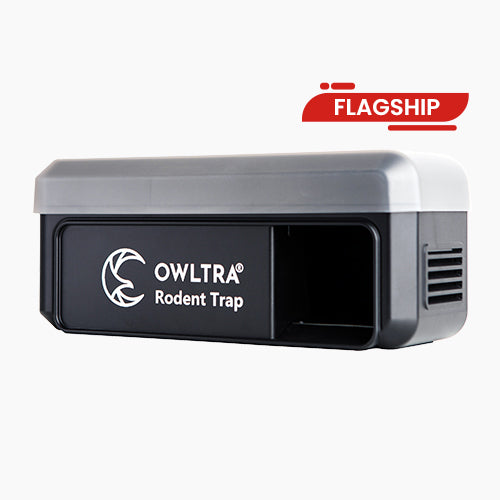
OWLTRA’s OW7 electronic mouse trap is designed for families who want to deal with rodents without the risks of poison or old-fashioned mechanical traps. It brings a range of safety features—like a fully enclosed shock chamber, hands-off disposal, and notifications to your phone—but “child-friendly” is better understood as “child-risk-reducing,” not truly child-proof. Its safety edge really counts when parents combine OWLTRA’s design choices with smart placement and routine checks. This article offers a detailed, evidence-backed look at OWLTRA’s advantages, its limits, and how to use it most safely—perfect for parents bringing any powered trap into a home with kids.
Introduction
Think of the old cartoon mouse trap: a wooden base, a piece of cheese, and a brutal snap. The reality for today’s families, especially with kids around, is trickier—and much more nerve-wracking. Poisons may seem easy, but carry scary risks of kids eating something they shouldn’t. Snap traps are fast, but it’s obvious why children could get hurt. Glue boards are another option, but they’re cruel and unpleasant to clean up.
That’s where electronic traps like OWLTRA’s OW7 get attention. The OW7 promises a tech-forward, contained, and low-contact way to solve mouse problems while keeping families safer. But what does “child-friendly” really mean when you’re talking about a kill device? Is there any mouse trap you’d actually call safe around children, or is “safer” the most you can ask for?
This post digs into that question—not with sales talk, but through a practical checklist for parents and caregivers choosing between options. With help from specs, expert opinions, and real customer stories, we’ll show exactly where OWLTRA stands out, where you still need to be cautious, and how to get the safest, most humane outcome.
Actionable Tips
Thinking about using an OWLTRA OW7 electronic trap in a home with kids and pets? Here’s a step-by-step checklist, based on current research and community experience:
1. Strategic Placement
- Out of Sight & Reach: Put traps behind appliances, inside cabinets, or in locked garages or sheds. Avoid common paths or play areas.
- Along Walls, Not in the Open: Mice hug walls, so place the trap against a wall and away from spots where kids are likely to play.
- Raise Off the Ground for Outdoor Use: For patios and garages, put the trap on a dry, raised surface and keep the cover on.
2. Setup and Operation
- Don’t Mix Power Sources: Pick batteries or the USB plug—never both at once, or you’ll risk breaking the trap.
- Gloves for Baiting: Wearing gloves keeps human scent off the bait.
- Think Before Placing: Garages, attics, under the sink, and cupboards work well and keep traps out of sight; avoid setting them in the heart of the home or where kids gather.
3. Ongoing Monitoring
- Check Every Day: Respond quickly to alarms or lights, remove trapped mice promptly.
- Swap Out Bait Often: Change bait at least once a week (faster in summer) to avoid smells and trap avoidance.
- Inspect After Water Exposure: Even with the cover, check inside if there’s been rain or a spill.
4. Environmental Safety & Maintenance
- Keep Dry: Splash resistance doesn’t mean waterproof. Don’t set traps where they could stand in water or get rained on directly.
- Follow Cleaning Instructions: Wipe inside the trap and replace bait trays as suggested to keep it running well and avoid lingering odors.
5. Education & Family Awareness
- Teach boundaries: Explain to kids that pest traps are off-limits and why, without scaring them.
- Adults Only for Cleaning: Kids shouldn’t help with disposal or cleaning.
6. For Added Safety
- Move the Trap Occasionally: Relocating the trap now and then can keep pets or curious kids from focusing on it.
- Use Locked Rooms: If you have toddlers or very curious pets, hide the trap behind a door you can lock or latch.
7. Compare and Assess Alternative Methods
Electronic traps create much less risk for kids than poisons or snap and glue traps. Still, if a device kills, it needs to be treated with care and respect.
| Method | Child Risk Level | Key Issue |
|---|---|---|
| Poison bait | High | Accidental ingestion |
| Snap traps | Medium–High | Finger injury risk |
| Glue traps | Medium | Prolonged suffering, pathogen exposure |
| Electronic trap | Lower (conditional) | Requires careful placement and regular checks |
Conclusion
The OWLTRA OW7 is a strong choice for families looking for a safer, no-contact way to handle mice, but don’t expect miracles. Its built-in safety features, like the enclosed chamber and instant notices, do lower the risks, and the setup makes rodent cleanup less messy and traumatic for adults and kids.
But “child-friendly” isn’t a finish line—it’s a moving target. Any trap that kills carries some risk in a home with children. OWLTRA puts up a useful safety barrier, but parents still need to think about where they put it, teach kids what to avoid, and check the trap regularly.
Bottom line: The OWLTRA can help parents handle pests with more peace of mind, so long as you recognize its limits and follow some simple, sensible rules. For many families, that’s exactly the right balance between safety and getting the job done.