




The Best Bait for OWLTRA Mouse Traps: Official Guide
Executive Summary
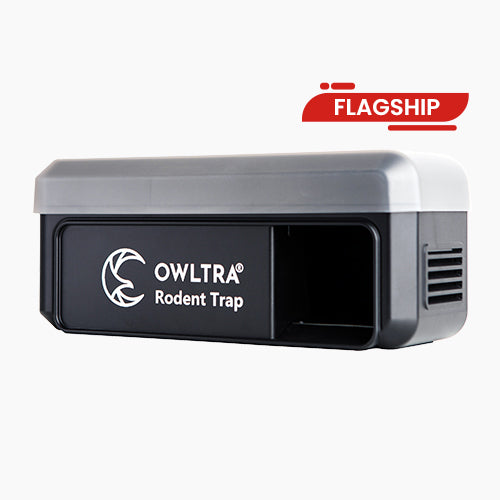
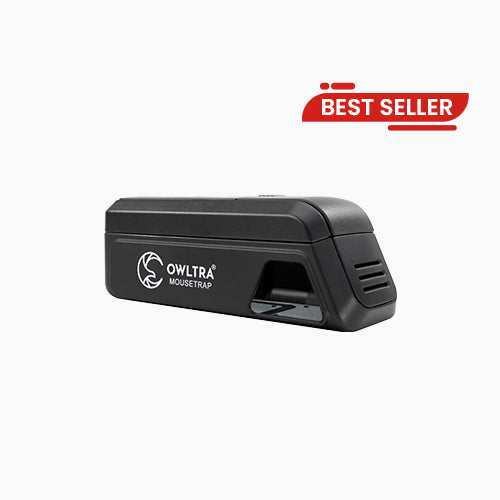
Choosing the right bait is the single biggest factor in how well your OWLTRA mouse trap works. OWLTRA OW7 and other models are designed for safe, effective rodent control, but it’s the bait type and where you put it that actually get mice inside to set the trap off.
This guide pulls together expert advice, pest-control studies, user stories, and advice straight from OWLTRA to show not only which baits catch the most mice—but how to use them for the best results, fewer misses, and the most humane outcomes. Whether you’re new to using traps or looking to up your game, this guide will help you get better, more reliable results every time.
Introduction
It’s 2 A.M. You hear faint scratching in the pantry and know a mouse is somewhere in the house. You’ve invested in a high-tech OWLTRA trap, expecting high-voltage efficiency and hands-free disposal. But days pass—and the bait remains untouched.
What gives?
Even the best-designed mouse trap won’t catch anything if the mouse isn’t interested enough to go in. The missing ingredient isn’t the high-tech trap—it’s the bait. Many frustrated users and pest pros have learned that what you use as bait and how you use it often make a bigger difference than the trap itself.
This guide skips the marketing talk and gets into what really works, using research and practical tips for getting the most out of your OWLTRA traps. We’ll cover why peanut butter is so popular but isn’t always enough on its own, how much bait to use, where to put it, and easy ways (proven by real users and lab tests) to finally get rid of stubborn mice—whether they’re in your kitchen, garage, or shed.
Actionable Tips
Here’s how you can get better results baiting your OWLTRA trap, with advice pulled straight from manuals, research, and user troubleshooting.
1. Start with Peanut Butter—But Apply Smartly
- Why peanut butter? Its strong smell, high fat content, and sticky nature make it tough for mice to resist, and tough to steal without triggering the trap. Merlin Environmental
- How much? Just a tiny dab, about the size of a pea, is enough.
- Where? Deep in the bait compartment, on the floor furthest from the door, not on the trigger or electronics.
Pro Tip: Use a cotton swab or toothpick to avoid putting your scent on the bait.
2. Rotate Baits If Results Stall
Mice can get wise to certain baits, or just aren’t used to them if their usual meals are different. If peanut butter isn’t working, try these in order:
- Chocolate: High sugar and a strong smell; slightly melt it for stickiness.
- Soft cheese: Only if you know mice near you are used to it.
- Nuts and oats: Mix with peanut butter for more texture. Sunflower seeds are often a favorite.
Combo trick: Mix a sticky base (peanut butter) with a chunk of chocolate or a few oats to tempt more senses at once.
3. Master Bait Placement
- Goal: Make sure mice have to walk all the way in to get the food.
- Avoid: Bait near the trap entrance or on sensors—this lets mice grab food without entering and can stop the trap from working.
- Best practice: Place the trap flush against a wall (mice love walls), with the opening facing where mice travel.
4. Adjust for Indoors vs Outdoors
- Indoors: Sweet and fatty baits (like peanut butter, chocolate, sweet spreads) stand out more because of competition with stored food.
- Outdoors: Tougher baits like nuts or seeds hold up longer and keep their smell. Skip anything that melts or spoils, and keep pets in mind.
- Keep traps dry: OWLTRA OW7 is built for outside, but only for covered spots that don’t get soaked. Dry the sensor after rain.
5. Learn from User Pitfalls
- Too much bait lets mice eat without stepping all the way in.
- Only ever using one bait can let mice get used to ignoring the trap.
- Touching bait with bare hands lowers your chances (use gloves).
- If mice have plenty of other food nearby, they’ll probably ignore your trap.
If you’re not catching mice, don’t just blame the trap—adjust your bait.
6. The “Layered Bait” Approach
For stubborn mice, “layered” bait can help:
- Start with peanut butter.
- Add a bit of chocolate or a nut on top for variety.
- Check the trap often and change type or location if nothing happens after three nights.
- Clean and replace bait every week to prevent spoilage.
7. Hygiene and Maintenance
- Wipe the bait area with a damp cloth regularly.
- Don’t wash the electronic trap—always keep the inside dry.
- Change batteries or inspect the USB connection to keep the trap working.
8. When All Else Fails
- Try moving the trap before changing baits again. The best bait won’t work if the trap is in the wrong place.
- Look up local pest tips to see if your area’s mice prefer different foods.
Conclusion
The OWLTRA mouse trap gives you a powerful, humane way to control mice—but what makes or breaks it is a pea-sized bit of bait. All the evidence points to this: pick a bait with a strong smell, sticky texture, and lots of calories (peanut butter is hard to beat), put it at the back of the trap, and change it up if nothing bites.
Everything matters—from what the bait smells like to where you place your trap and even whether you wore gloves. Treat baiting as something you experiment with and refine, not just a one-time job.
Get this right, and you’ll start seeing results—whether you’re battling one mouse or a whole family, you’ll finally get control back at home or work.