

OWLTRA vs. Traditional Bait in Restaurants: Safer Rodent Control With Instant Status Feedback
Executive Summary
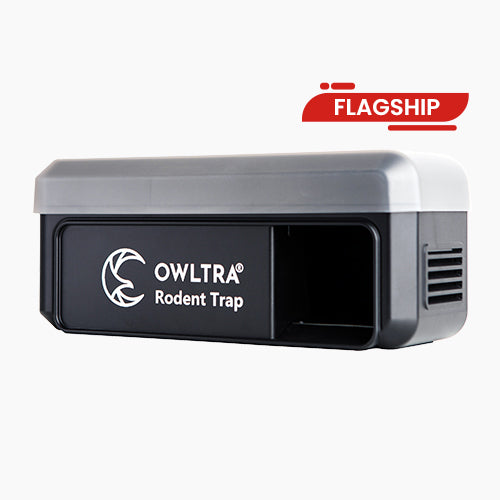
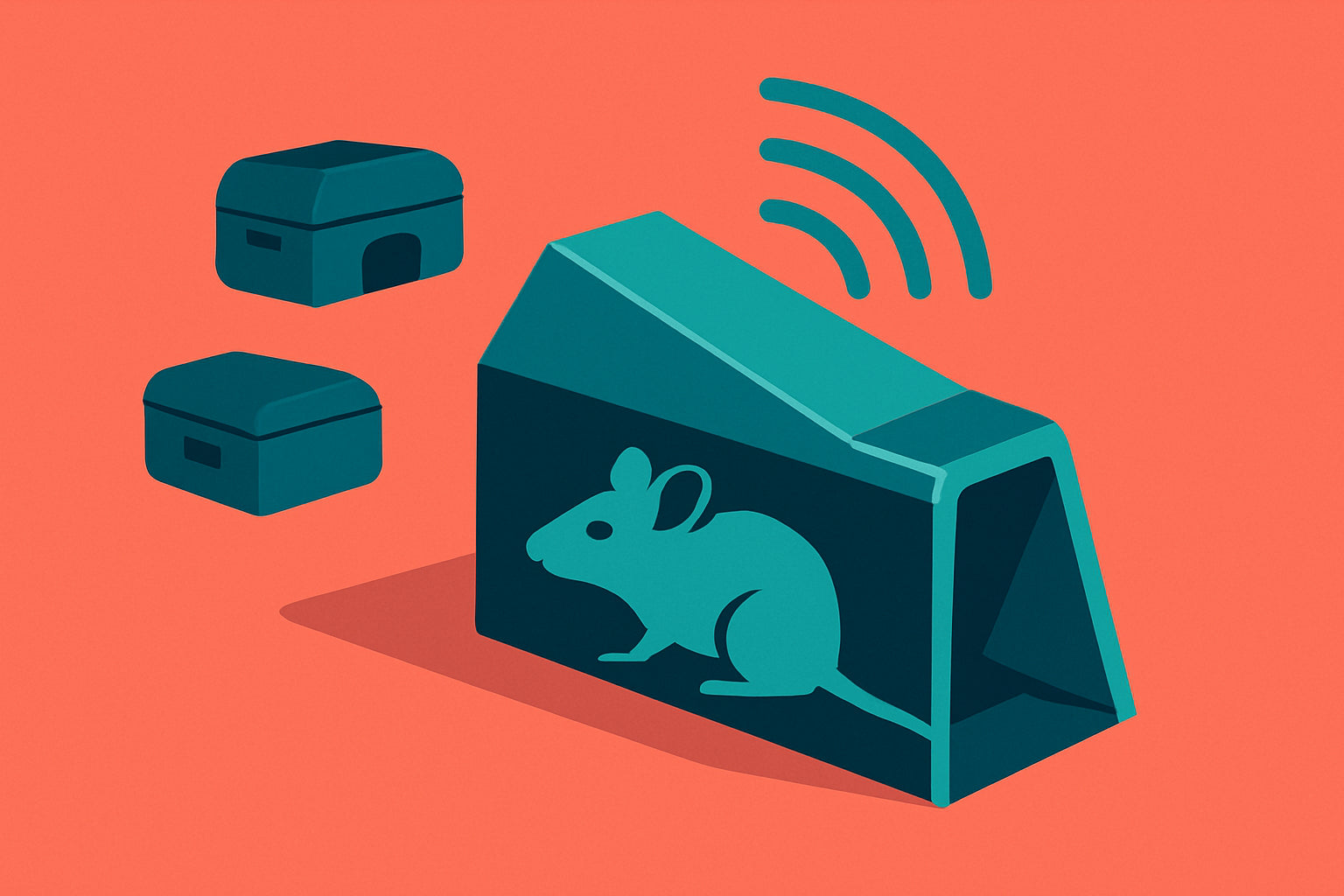
Running a restaurant means keeping rodents out isn’t just about staying clean—your business depends on it. The old approach of using chemical bait stations has been standard for years, but they bring real problems: slow results, risk to your food, and complicated rules. The owltra OW7 electronic trap is changing how restaurants can handle rodents. It kills instantly, gives real-time updates, and fits right in with stricter pest control methods and health standards.
This article compares owltra OW7 and traditional bait, giving restaurant managers and food safety pros the info they need to handle rodents efficiently, safely, and within the rules.
Introduction
Picture this: you’re doing your early shift walk-through and notice a strange smell by the cooler. The odor gets worse, and you realize a rodent must have died somewhere you can’t reach. It’s a regular headache for restaurants using traditional poison baits. The poison takes time to work, so rodents often die in walls or tight spots, leaving you with the clean-up and the smell, plus possible health and image issues.
In foodservice, you need to get rid of pests quickly, safely, and in line with tough regulations. Over the last ten years, more places have started using tech-based, non-chemical solutions. Electronic traps like the owltra OW7 are now catching on. They promise fast, humane kills and let staff know immediately—leaving behind the old “set-and-wait” mindset of bait stations.
Here, we take a close look at how rodent control is changing for restaurants, why the switch is happening, what makes products like the OW7 relevant, and the realities of adding new tools to daily routines.
Actionable Tips
Getting started with the owltra OW7 doesn’t take much, but there are a few ways to make it work better in a restaurant:
1. Placement Matters
- Follow Rodent Paths: Set traps along walls or behind equipment—rodents usually stick to the edges, not open places.
- Stay Away from Flood Zones: The trap is water-resistant, but don’t put it where puddles often form.
- Works in Damp Spots: Its waterproof cover lets you use it in dishrooms and loading docks, but always check after rain.
2. Keep Up With Bait and Cleaning
- Check Regularly: Bait can lose its power, especially outside or in humid spots. After storms or hot spells, check more often.
- Wear Gloves: Avoid getting your scent on traps or bait so you don’t scare rodents away.
- Clean Well After Each Catch: Use food-safe cleaners inside the trap after each use. Rodents give off warning scents that keep others away—cleaning removes them and keeps the trap effective.
3. Use Status Feedback in Your Routine
- Add to Your Checklist: Use trap alerts as part of opening, closing, and cleaning routines. This helps you stay organized and shows inspectors you’re on top of things.
- Reset Right Away: Since the OW7 gives instant alerts, you can empty and reset it quickly, helping you stay protected and cut down on time spent checking traps one by one.
4. Take the Long View
- Budget with Savings in Mind: Higher up-front costs can even out later. Count up how much you’ll save over a year or two by skipping poison refills, avoiding fines, and not risking your reputation.
- Inspect for Moisture: Even though it’s water-resistant, check for water inside, especially if used outside or near dishrooms.
5. Train Your Team
- Quick Staff Training: Give clear instructions to kitchen and cleaning crew about how to use and maintain the traps safely.
- Connect to Safety Standards: Remind staff that rodent control isn’t just another chore. It’s part of keeping food safe and protecting the brand.
Conclusion
For restaurants deciding between old chemical baits and newer tools like the owltra OW7, this device is more than just a fancy update. It takes the waiting and the guesswork out of rodent control and helps you follow health codes without extra risks or stress. You’re no longer stuck sniffing around for trouble spots or risking poison in sensitive areas.
With instant alerts, non-toxic kills, and compatibility with modern pest control guidelines, electronic traps like the OW7 can change how restaurants handle pests. With good placement, simple upkeep, and brief staff training, keeping your kitchen rodent-free becomes practical and transparent—and it gives you peace of mind.
Next time you’re planning your approach to pest control, ask yourself: do you want to wonder if your traps worked today, or do you want to know for sure, right away?