

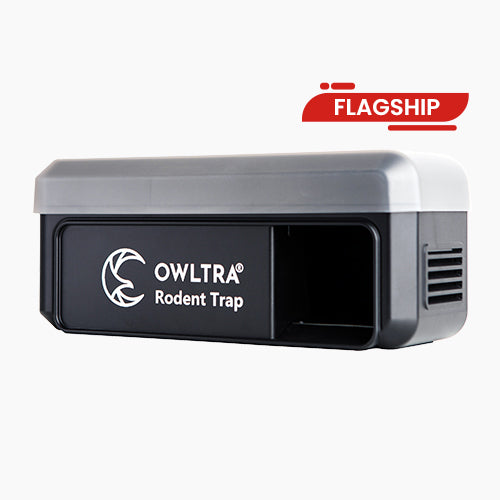
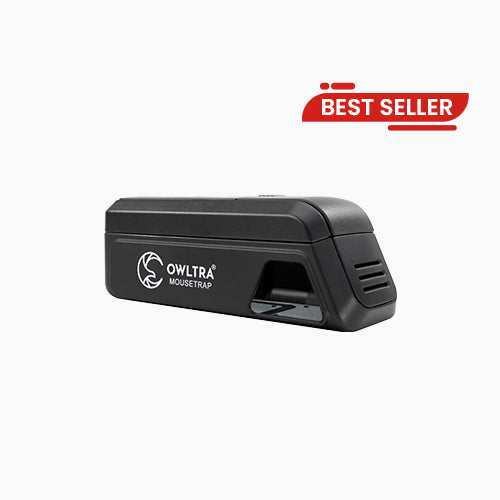

OWLTRA’s Recommendations: Safe Baits for Families & Pets
Executive Summary
With growing concerns about children and pets, more families are choosing electronic traps like the OWLTRA OW-7 (EMZ50) instead of old-school baits and poisons. These traps are built with safety in mind, but how well they work—and how safe they really are—still depends on your bait choices, setup, and regular upkeep. We've reviewed user feedback, official advice, and independent safety reports to put together a practical guide for picking and using the safest baits with OWLTRA. You’ll find details about what actually works in the real world, tips for setup, and proven recommendations so you can tackle rodents confidently while keeping your family and pets protected.
Introduction
Picture this: You walk in and spot signs that the same old mouse is back, but now you’re also making sure your toddler and an energetic dog don’t get into anything dangerous. For a lot of families, rodent control isn’t just annoying—it’s a real safety issue. How do you handle pests without risking your kids or animals?
Thankfully, new pest control tools let you skip messy or risky traps and dangerous chemicals. Electronic options like OWLTRA’s OW-7 are appealing: no poisons, no gruesome surprises, and if used thoughtfully, much less risk for kids and pets. Still, no matter how carefully a trap is designed, baiting it the wrong way can leave you with missed rodents, spoiled food, or a dog nosing around where it shouldn’t.
So, what’s the best way to pick, place, and manage baits when your household includes both pets and kids? This article sorts through research, user stories, and expert tips to help you put OWLTRA’s advice into action at home.
Actionable Tips
Want to use these ideas at home? Here are straightforward steps you can follow, based on manufacturer instructions and what actually works for users.
1. Choose High-Protein, Simple Baits
OWLTRA and pest professionals both recommend plain, unsweetened peanut butter as the go-to for safety and rodent appeal. Here’s why:
- It sticks well, so rodents have to stay and make contact with the plates.
- The smell is strong for rodents but less likely than meat to attract dogs or cats.
- Most peanut butters (if they’re free of xylitol, chocolate, or lots of sugar) aren’t toxic when used sparingly in traps.
Alternatives for households with peanut allergies:
- Use pet-safe nut or seed butters (make sure they’re xylitol-free)
- Plain, cooked chunks of meat or unsalted nuts (like chicken cubes or walnut halves—skip anything salted, fatty, or flavored)
- Unsalted sunflower or pumpkin seeds
Never use:
- Anything with xylitol (dangerous for dogs), chocolate, or vitamin D additives
- Store-bought rodenticides or products with chemical additives (these defeat the whole purpose)
2. Master Safe Bait Placement
- Turn the trap off before baiting. This is the step most often skipped, but it’s crucial for safety.
- Keep your scent off the bait. Use a toothpick, cotton swab, or gloves—rodents may avoid anything that smells like humans.
- Put bait on the floor of the chamber, farthest from the entrance. Don’t let it touch the metal plates, or the trap might not work right.
- Stick to a pea-sized amount. Too much bait lets rodents take it and run—or can gum up the trap.
3. Place the Trap Smartly
- Put traps along walls. Mice and rats travel next to walls—set the trap in their path for much better results.
- Raise or hide if needed. If you live with a cat, small dog, or a child who crawls, put the trap out of reach: on a shelf, inside a utility closet, or in a crawlspace pets and kids can’t get into.
- Watch how pests move. Aim for quiet spots—behind appliances, inside cabinets, or locked sheds—so pets and kids don’t stumble on the trap.
4. Maintenance: Don’t Skip It
- Replace bait every 2–3 days. Especially if the trap is outside or in damp air, since bait can spoil quickly and attract bugs or smell bad.
- Check the trap after rain or any spills. Water can ruin bait and cause electrical trouble even with a waterproof cover.
- Keep it clean. Remove rodents using the tray system (no contact needed) and wipe the chamber as needed with gloves.
5. Safety Protocols
- Don’t use batteries and USB power at the same time. Always remove one before plugging in the other.
- Power off before cleaning or re-baiting. The risk is low if you stick to instructions, but it jumps up if you open a live trap.
- Anchor the trap if needed so pets or children can’t knock it over or drag it away.
6. What to Watch For
- Bait is missing, but no rodent caught? If rodents grab the bait and don’t get trapped, try something stickier (like peanut butter) and make sure it’s deep in the chamber.
- Odd smells or electronic trouble? Spoiled bait or water can mess up the trap—clean, reset, and replace as needed.
- According to reviews: If you aren’t catching anything with one bait, try another—preferences vary depending on your area and the time of year. Some rodents prefer strong-smelling meats, others go for nuts and seeds. Just make safety your first priority when trying new baits.
Conclusion
Electronic traps like the OWLTRA OW-7 make rodent control safer for kids and pets, and greatly reduce worries about poisons or old-style snap traps. Still, they work best when you choose baits with care, keep them out of reach, and check them regularly.
Successful users treat baiting as an important part of managing their home, taking into account their family setup, pet habits, and the quirks of their space. A well-baited electronic trap can bring real peace of mind, get rid of rodents, and make home a safer place.
Keep rodents outside, while keeping your family—including the furry ones—protected. The right technology can help, but what you do next matters most.