


OWLTRA OW7 for Garden Sheds and Tool Areas: Weather-Resistant, Humane Rodent Control
Executive Summary
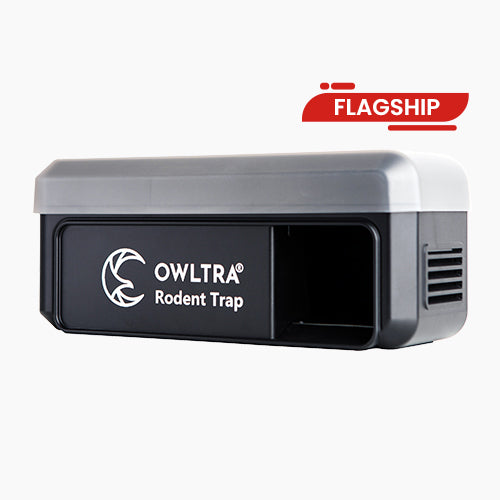
Rodents in garden sheds, workshops, and tool storage spots are tough to deal with: normal indoor traps often fail because of moisture and temperature swings, and poisons pose risks to pets, wildlife, and local birds of prey. The OWLTRA OW7 In-/Outdoor Waterproof Electronic Rodent Trap offers a new option—a weather-resistant, humane trap that can keep up with the different demands of these spaces. Its “Quick-Zap” high-voltage kill feature, dual power options (battery or USB), and IPX4 splash protection have earned it good reviews in the field, particularly where users put thought into placement and upkeep.
Still, this is not a trap you can just set and forget. Long-term results depend on where you put it, how you maintain it, and whether you follow the rules for bait and setup. Below, you'll find a real-world look at the OW7’s strengths, limitations, and practical tips for homeowners, gardeners, and property managers who want a more humane approach for sheds and tool areas.
Introduction
You open your garden shed and see rodent droppings between bags of birdseed or teeth marks on your favorite gloves. Maybe you’ve tried old snap traps (with their messy results) or worried about the risks of poison—only to realize you might be putting pets and wildlife in harm’s way. Many people wind up searching for something that’s humane, reliable, and can handle the weather in semi-exposed storage spaces, which is where new options like the OWLTRA OW7 come in.
But does it actually deliver a clean kill in real weather? Or does it just give up when the batteries run out or the rain comes down? Using real user experiences, pest management expertise, and manufacturer details, this article breaks down what the OWLTRA OW7 does well, where it struggles, and the most useful tips for taking on rodents on the edge between indoors and outdoors.
Actionable Tips
To get the most out of your OWLTRA OW7, treat it as an active piece of your pest control plan. Here’s what works, based on practical experience and the device’s own directions:
1. Placement and Environment
a. Avoid Moisture Hazards
- Don’t put the trap in places where water pools or stands after rain.
- Lift it off the ground using bricks, pallets, or sturdy shelves, keeping it a few inches above ground level.
- Whenever using it outdoors—under a woodpile or against a shed wall—make sure the cover is on and in good shape.
b. Site Selection
- Place the trap right against walls or in corners, ideally near known rodent runs (like doors, tool stacks, or food bins).
- In bigger sheds, set out multiple units 8–12 feet apart, lined up along the walls, to catch more rodents.
c. Power Considerations
- Use D-cell batteries if you can’t plug in nearby; use USB if you can for less battery-swapping.
- Only use one power method at a time to avoid breaking the device.
2. Baiting and Scent Management
- Always use gloves when baiting or handling the trap to avoid leaving your scent.
- For bait, a dab of protein-rich, sticky food (like smooth peanut butter or hazelnut spread) works well. Use a toothpick or cotton swab—just a little prevents food from dripping inside.
- Change the bait every day or two—outdoor or damp spots can spoil food quickly.
3. Operation, Monitoring, and Maintenance
- After a catch, the alert will beep and flash—unplug or remove batteries, then open the chamber and slide out the rodent.
- Wipe down the contact plates and chamber after each kill, or at least once a week if it hasn’t been triggered, using isopropyl alcohol to remove residue and lingering scent.
- After storms, fog, or snow, check the trap for water inside and make sure the sensors stayed dry.
- Swap batteries as needed—if you notice fewer kills or weird alerts, it may be time. For USB setups, check the cable and fittings every so often for moisture or wear.
4. Additional Practical Tips
- In spots with lots of rodents, add mechanical traps or bait stations in hard-to-reach areas alongside the OW7 for better coverage.
- For very wet climates or flood-prone areas, mechanical traps or bait stations may hold up better in some spots.
- If you’d rather not kill pests, consider live-catch traps or start by blocking entry points (with sealant, metal mesh, or door sweeps).
Conclusion
The OWLTRA OW7 is a strong contender for humane rodent control in sheds, tool rooms, and other semi-outdoor spaces. When set up right—above moisture, baited sensibly, and cleaned regularly—its quick-kill design helps keep rodents away with less mess and worry than old poisons or glue traps.
However, the OW7’s advanced features reward users who check and clean it often; if neglected, it can malfunction or miss kills. Those who are willing to stay on top of maintenance and placement will likely find it a reliable part of a bigger pest control plan.
No single product will solve every rodent problem—but with some care, the OW7 is a humane and practical tool for both your property and the surrounding wildlife.