

OWLTRA OW7 for Garages and Sheds: Indoor/Outdoor Rodent Control You Can Monitor Through the Window
Executive Summary
The OWLTRA OW7 electronic rodent trap is a newer option for addressing rodent issues in garages and sheds. Designed with a water-resistant shell, clear window for monitoring, and added safety features, the OW7 addresses shortfalls of basic traps when used in outbuildings or in spots with exposure to weather. While it’s convenient and safer than many old-school options, you’ll get the best results by placing it carefully, being mindful of your environment, and using it as part of a larger prevention routine. This review looks closely at why the OW7 comes out ahead in garage and shed settings—and also where it might fall short—if you need a serious solution for transition-zone rodent problems.
Introduction
Picture this: It’s a freezing evening. You hear or see signs a mouse or rat has slipped into your garage or shed, but the thought of suiting up to inspect messy snap traps—or wrestling with toxic baits—isn’t appealing. Wouldn’t it be nice to simply check through a window and immediately see if something got caught?
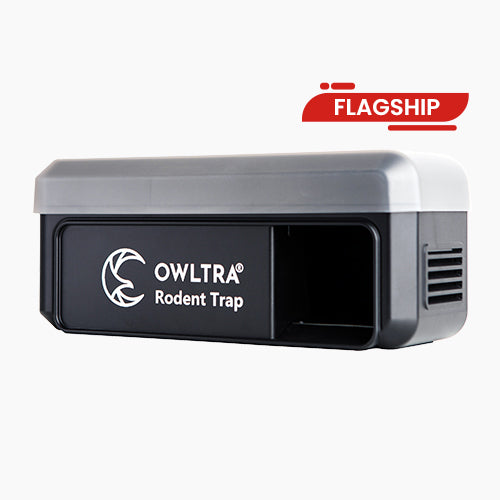
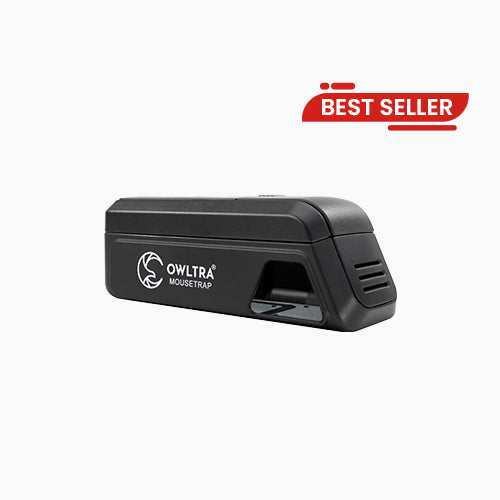
The OWLTRA OW7 trap brings that scenario to life: it’s a chemical-free, indoor/outdoor rodent trap with clear visual status at a glance. But does this new gadget really handle the quirks and problems that usually defeat rodent traps in garages and sheds?
In the following sections, we’ll break down what makes electronic rodent traps tick, why garages and sheds are so prone to rodent problems, how the OW7 fits into proven prevention methods, and what to look out for to actually get results.
Actionable Tips
1. Integrate Exclusion and Sanitation
Even the smartest trap can’t fix a rodent problem in a garage or shed if mice and rats can stroll in at will. The OW7 works best as part of a system:
- Seal entry points: Plug any gap larger than 1/4” for mice or 1/2” for rats, using wire mesh, foams, or rodent-proof barriers around doors, vents, and wall gaps (CDC Garages & Rodents).
- Reduce attractants: Keep food, pet feed, and garbage tightly stowed. Get rid of extra cardboard, piles, and junk they might hide in.
- Routine cleaning and inspection: Keep floors and walls visible and check for droppings, gnaw marks, or new holes, especially after storms or cold snaps.
2. Placement Best Practices
Getting the most out of the OW7 depends on where and how you use it:
- Wall Placement: Put traps flat against a wall or beam—rodents like to run along the edges, so a side entrance tucked against a wall works best.
- Avoid Wet Zones: Even with a water-resistant rating, avoid placing your OW7 directly in pooled water, outdoor corners without cover, or damp flowerbeds. Too much water will corrode the electronics, ruining the device (OWLTRA Manual & Field Reports).
- Sheltered Indoors/Outdoors: Find spots like garage slabs, sheds with a roof, or under benches—don’t leave it fully exposed to storms or constant dust.
3. Handle and Bait with Care
- Wear Gloves: Mice and rats pick up on human scent. Always use clean gloves to handle and bait the trap, wiping the surface with alcohol if you touch it directly.
- Precise Baiting: Less is more. Use a pea-sized dab of peanut butter, lard, or similar bait at the chamber’s far end with a stick or swab. Don’t get bait on the bottom plates or sensors, since that can trip the trap or cause malfunctions.
- Pre-Baiting Option: For trap-shy rodents, Texas A&M suggests leaving traps unarmed for a few days (“pre-baiting”) to let critters get comfortable before you set them to kill.
4. Post-Kill Maintenance and Troubleshooting
- Immediate Cleanup Required: After success, turn the unit off and unplug it. Pull off the top, remove any remains or debris, then wash and dry the base. Mouse urine can be highly conductive—leaving it risks battery drain and corrosion.
- Dry Plates = Reliable Function: Always dry the plates thoroughly after cleaning. Even a tiny bit of moisture left on the sensors or plates can cause constant errors.
- Monitor Indicator Lights: If you see red or green blinking, it usually means there’s dirt, moisture, or blockage on the plates or sensors. Clean, dry, and check for dust or cobwebs.
5. Understand Environmental Limits
- Battery Performance in Winter: Freezing weather can cut battery life in half or worse. In cold areas, plug in with USB or check and swap batteries more often to avoid downtime.
- Dust Sensitivity: If you’re using the trap in a woodshop, barn, or hay shed, blowing or wiping the sensors every so often may be needed, as dust can collect and block the beams.
6. Integrate With an Overall Plan
- Combination Approach: The OW7 is not a silver bullet—combine it with regular checks, upgrades to sealing and cleaning, and watch for new signs of entry to make sure you stay ahead of rodents.
- Minimize Non-Target Risk: Even with the safety upgrades, always put the trap where kids and pets can’t get at it, and make sure everyone knows how to use it safely.
Conclusion
Getting rid of rodents in garages and sheds is a recurring challenge, but today’s tools are better than ever. The OWLTRA OW7 is a big step forward: it’s safer, efficient, visible from inside, and rugged enough for most sheds and garages—though nothing is truly weatherproof or foolproof.
Testing and real user feedback show the OW7’s main benefits (status light, humane kills, USB or battery power, water-resistance) depend on setup and upkeep, and on using it as just one part of a full rodent control plan. Think of it as an easy way to check and clear rodents—not a cure-all—and it pays off most if you’ve also sealed, cleaned, and supervised your spaces.
For people who’d rather check a window than mess with poisons or make daily cold trips to the garage, the OW7 gives real peace of mind. Add it to your tool kit, keep up with prevention basics, and you’ll be a step ahead of the critters.