


OWLTRA OW7 for Cat Owners: Humane, No-Poison Rodent Control in Historic Homes
Executive Summary
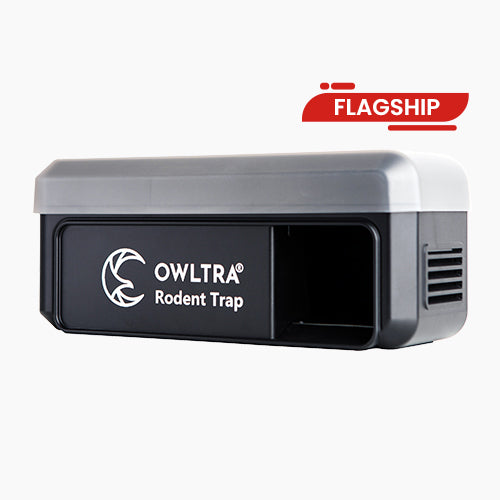
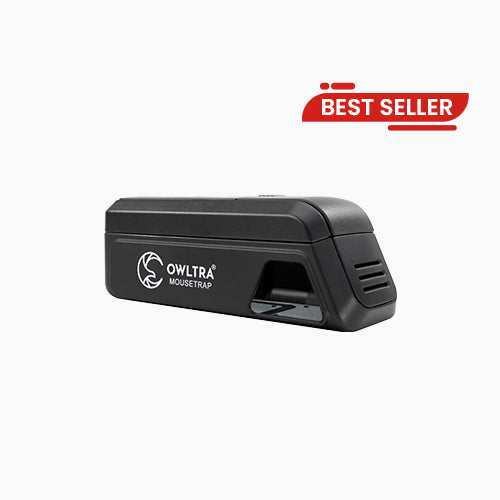
Cat owners who live in historic houses run into a familiar headache: old buildings let rodents sneak in through gaps, but using standard pest products like poison or snap traps isn’t always safe (or likely to work), especially with a cat prowling around. The OWLTRA OW7 In-/Outdoor Waterproof Electronic Rodent Trap offers a humane, poison-free way to deal with mice and rats while keeping both pets and period features safe. This guide explains where most rodent control options miss the mark in pet-filled historic homes, evaluates how the OW7 performs for safety and practicality, and shares practical setup advice based on real-world use in old houses.
Introduction
Historic homes draw us in—arched doors, rough stone, and creaky floors tell stories from decades past. But those same features can turn into a rodent playground. Cat owners all seem to have a story about “last winter’s mouser heroics,” but even with a vigilant cat, the dream of a rodent-free house crashes against everyday reality.
Snap traps? Not worth it if your cat’s nosy. Poisons? Definitely not; they’re risky for pets and can ruin antique wood or plaster. Glue boards? Cruel, and they don’t always work. So what are you supposed to do if you want to keep both your cat and your old home out of harm’s way?
That’s where the OWLTRA OW7 comes in. This is an electronic rodent trap designed to kill mice and rats quickly, without chemicals, in spots like stone basements, attic crawlspaces, or even outside by the garden. Can it really deliver safe, humane rodent control fit for even the oldest houses? Here’s a closer look.
Actionable Tips
Based on expert findings and real user stories, here’s how to get the most from the OWLTRA OW7 and keep both your house and cat safe.
1. Wear Gloves—Always
Rodents are sensitive to smells. If you touch the trap with bare hands, adult mice or rats might avoid it. Use disposable or robust gloves every time you set, bait, or clean the device.
2. Bait Smart, Bait Safely
- Only bait the trap when it’s off.
- Use a small amount of protein bait (like peanut butter or dry cat food) and place it at the very back using a swab or toothpick. Don’t overdo it—spilled bait can gum up the contacts and cause malfunctions.
- Replace bait every week. Even desperate rodents will ignore spoiled or moldy food.
3. Select the Right Power Mode and Location
- For permanent spots like a basement with power outlets, USB means fewer battery changes—just keep cords away from chewing cats.
- For outdoor or hard-to-reach areas, D batteries keep things flexible, but check them regularly if you’re catching lots of rodents.
4. Strategic Placement is Everything
Rodents stick close to walls and squeeze behind beams or along joists. Put the OW7 against these paths, entrance facing the spots with droppings or gnaw marks.
- Raise it up on a block or brick in damp basements—never place it right on the floor.
- For extra pet safety, put it inside a ventilated crate, under a sturdy shelf, or behind something cats can’t move.
5. After Rain—Check and Dry
When using the trap outside, always use the waterproof cover. After heavy rain, open it up and check for dampness, especially around the infrared sensor. If both red and green lights are on at once, shut it off, unplug it, and dry thoroughly before resetting.
6. No-Touch, Hygienic Disposal
When you catch something (the LEDs and beeps tell you), turn off the trap, put on gloves, and tip the rodent straight into a trash bag using the side door. This limits your risk from diseases—important in older houses with unknown rodent problems.
7. Power Management Matters
- Take out the batteries if you’re plugging it in with USB—and vice versa—or you could cause leaks or corrosion.
- Only use USB adapters or power banks at 5V/1A or above. Underpowered sources could make the trap unreliable.
8. Routine Cleaning for Reliability
After each use, wipe the metal plates with isopropyl alcohol or a slightly damp cloth before you re-bait. This keeps it working properly and stops corrosion, so the trap stays effective.
9. Layer With Other Pest-Management Tactics
If your house has ongoing rodent activity, no trap is a fix-all. For best results, use the OW7 along with:
- Sealing up entry holes (steel wool, mesh, caulk, or wood patches)
- Regularly removing clutter and food sources
- Moving and checking trap locations periodically
10. Monitor Cat Access Intentionally
Pay attention to where your cat goes: use the trap in areas your cat can’t access, at times your cat is closed out, or behind a barrier. Curious cats will find their way to most places if given the chance.
Conclusion
For cat lovers living in historic homes, rodent problems can seem endless. The OWLTRA OW7 offers something different—a humane, poison-free, and tidy electronic trap tough enough for basements and crawlspaces, yet still pet safe for busy households with playful cats.
It gets the job done: no poison exposure, no snapped paws, and no chemicals in your old floors or walls. Use it correctly—thoughtful bait, good placement, regular cleaning—and it strikes a good balance between protecting your pet and maintaining an old house.
Just remember: real peace of mind doesn’t come from one gadget alone. Pair the OW7 with good old exclusion, routine inspection, and environmental clean-up for a rodent-free home your cat and your antique woodwork will both appreciate.