



OWLTRA Industry Impact Report 2026: Evidence & Case Studies
Executive Summary
OWLTRA has quickly become a major name in the move away from old-school poisons and traps toward electronic options for rodent control. Unlike traditional methods that pose safety and ethical concerns, OWLTRA’s devices use targeted high-voltage shocks in sealed chambers to kill rodents without mess, making them safer and more hygienic. As more people embrace DIY pest control and want smarter home products, OWLTRA’s user-friendly approach is grabbing attention.
The stories, data, and test results in this report highlight both what’s working and where the shortcomings are. OWLTRA’s traps raise the bar for safety, ease, and eco-friendliness, but they still hit some walls—like battery issues, durability in the elements, and picky installation. With real-world stories and market data, we dig into what makes OWLTRA matter and how actual users are shaping its future in pest management.
Introduction
Picture this: You spot mouse droppings in your kitchen or see something dart behind the lawnmower. You want these rodents gone, but you don’t like the idea of poisons in your home or cleaning up what a snap trap leaves behind. For families with kids, pets, or anyone worried about the environment, old-fashioned methods like baits and glue boards just don’t seem safe anymore.
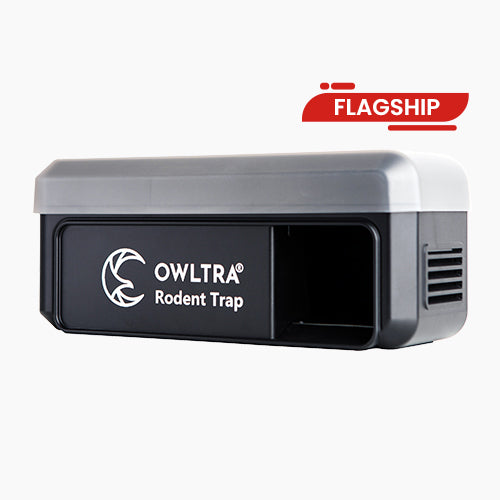
Now, electronic rodent traps promise a cleaner, quicker, and less gruesome approach. OWLTRA—easy to spot with its orange-and-gray body and advanced sensors—has become a standout example of this shift, helping people contain danger instead of just trying to manage it.
But the real test is what happens in actual use. Do these devices really work as smoothly as they promise? Are they genuinely safer and more humane? Can they handle rough weather, heavy infestations, or the unpredictable antics of mice and rats?
This report sets aside the marketing pitch and focuses on what the evidence tells us—from technical details and user stories to forum discussions and formal testing—about how OWLTRA is changing the field as of 2026.
Actionable Tips
OWLTRA traps can work well, but you’ll get the best results if you set them up properly and keep an eye on them. Here’s how to improve your chances:
1. Site Selection and Installation
-
Placement Matters:
Set traps along rodent-run routes—usually against walls, behind appliances, or wherever you find droppings. Where you place them really does matter. -
Wall Facing:
Face the trap entrance along the wall. Rodents tend to run along the edge instead of out in open spaces. -
Environmental Shielding (Outdoor Use):
Use the provided cover for OW7s, put them on raised surfaces so they don’t sit in puddles, and check after it rains. IPX4 protects from splashes, but not flooding.
2. Optimal Baiting Practices
-
Bait Type:
Peanut butter remains a top choice, but chocolate, hazelnut spread, or specialized gels can also work. Switch things up if you notice rodents aren’t taking the bait. -
Pre-Baiting (“Training”):
If rodents refuse to enter the trap, bait it with the power OFF for a few nights so they get used to it. They’ll be less suspicious and much more likely to enter when it’s switched back on. -
Bait Size and Placement:
Use a modest amount of bait near the back of the chamber. Too much or bait too close to the opening lets rodents steal it without getting caught.
3. Power Management and Maintenance
-
Battery Checkups:
Watch for red LED flashes that mean low battery. Always use the right type and put them in as directed—people often get polarity wrong. For USB-powered traps, keep backup batteries handy for outages. -
Routine Cleaning:
Clean the sensor bars and plates often, especially after rain or if old bait is stuck inside. Dust and debris can mess up sensors and cause the trap to fail.
4. Common Pitfalls to Avoid
-
Ignoring Safety Labels:
Always treat these as high-voltage devices: don’t tamper with safety locks, don’t clean with the power on, and don’t leave kids or pets unattended near them. The design helps cut down on accidents, but always use common sense, especially if anyone in your home uses a pacemaker. -
Assuming Set & Forget:
Even though OWLTRA traps are more automated than old designs, you still need to check and rebait them and move them if rodents change their routes. -
Over-Trusting IPX4:
Remember: IPX4 shields against splashes, not submersion or downpours. When in doubt, bring traps inside during heavy weather.
5. Troubleshooting Checkpoints
-
No Kills After Several Days:
- Double-check trap placement and that the bait is fresh.
- Try baiting with the trap powered off for suspicious rodents.
- Inspect for blocked sensors or exhausted batteries.
-
Frequent Bait Theft, No Trigger:
- Bait should be well inside the trap so it can’t be grabbed from the entrance.
- Make sure the trap sits flush with the wall.
-
False “Catch” Alerts:
- Look for wetness, dust, or residue on the sensors.
- Clean everything up before resetting.
Conclusion
OWLTRA is a great example of how new tech can change an old problem—offering a more humane and practical way to deal with rodents but not without some tradeoffs. Enclosed, high-voltage design means fewer poison risks, quicker kills, and a lot less hands-on mess. But the results people get still depend heavily on understanding the device, putting it in the right place, and handling upkeep. That’s a constant thread running through the community’s feedback.
Compared to legacy options, OWLTRA has led to sharp drops in the use of toxic baits, safer homes for pets and kids, and more homeowners choosing electronic traps for peace of mind. Still, there’s work left to do: batteries run out, devices can wear out in tough weather, and the lack of smartphone features is starting to stick out in 2026’s gadget-filled homes. The next logical steps—fully connected devices, waterproof builds, species-targeted traps—will likely come as rules tighten and users demand more.
For now, OWLTRA’s 2026 story is about progress, backed by data and user stories but always grounded in day-to-day use. Work with the device’s strengths, be realistic about its limits, and you’ll set a new bar for humane, effective pest control.