

OWLTRA Electric Traps vs Traditional Snap Trap
Executive Summary
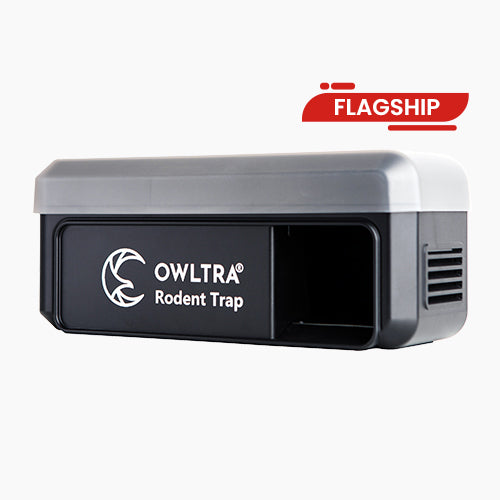
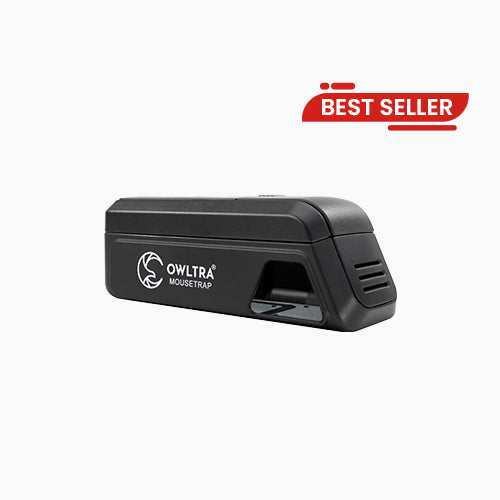
Owltra electric traps promise cleaner, safer rodent control through enclosed high-voltage killing and hands-off disposal, offering features such as pet and child safety, LED and audible alerts, and reduced exposure to rodent remains. However, they introduce dependencies—batteries, sensors, electronic alert accuracy—and carry higher upfront costs. Traditional snap traps continue to dominate in mechanical simplicity, reliability, low price, and performance in harsh environments but require user handling of carcasses, risk injury during setup, and can be less sanitary.
This in-depth analysis, grounded in user data, independent reviews, and technical product details, shows that electric traps are ideal for easy, hygienic rodent removal—particularly in kitchens, garages, and high-traffic spaces—especially for users who value low-contact solutions. On the other hand, classic snap traps excel in dusty attics, crawl spaces, and bulk capture scenarios, where resilience and scale matter more than convenience.
Ultimately, no single trap type is universally better; the right choice depends on your environment, rodent pressure, hygiene priorities, and willingness to manage batteries or to interact more directly with traps and pests. A hybrid strategy almost always delivers the best results.
Introduction
Picture this: it’s midnight, you hear the telltale scratching in the kitchen, and you know you’re not alone. Mice and rats invade over 21 million U.S. homes each year, and faced with this unwanted company, millions of homeowners ask themselves: should I stick with tried-and-true snap traps or upgrade to electric pest control?
The market now offers a dazzling spectrum of rodent traps. Yet beneath the marketing buzzwords and technology promises, real-life decisions hinge on practical needs: cleanliness, safety, reliability, and cost. The rise of new options—like Owltra’s electric traps—raises important questions for anyone facing a rodent problem. Are these high-tech solutions truly safer and more effective, or do they introduce new headaches that mechanical simplicity avoids?
In this guide, we’ll peel back marketing claims, scrutinize product reliability, analyze user experiences, and compare Owltra electric traps against classic snap traps with unflinching honesty. Whether you’re a seasoned DIY pest combatant or a first-time rodent wrangler, this deep dive will equip you with actionable insight to choose the right solution for your home.
Actionable Tips
1. Assess Your Rodent Pressure and Space
- Light, sporadic presence (kitchen, pantry): Start with an Owltra electric trap—its hygiene and convenience will shine.
- Heavy infestation (attic, crawlspace, garage): Deploy numerous snap traps for maximum coverage and reliability.
2. Leverage Placement—It Trumps Tech
- Place traps (of any type) flush against walls and along common rodent paths.
- Identify entry points, food sources, and establish trap lines.
- For large spaces, use both electric and snap traps concurrently.
3. Maximize Safety
- Households with children and pets should prioritize enclosed systems like Owltra.
- Always follow manufacturer instructions to prevent accidental firing (handle snap traps with care!).
4. Check and Maintain Frequently
- Electric traps: Check battery status and clean the kill chamber and sensors regularly to maximize efficiency and safety.
- Snap traps: Monitor daily. Victims left too long can attract more pests and foster odors.
5. Understand Each Trap’s Limitations
- Know that electronic traps can display false positives (e.g., LED blinking without a kill) and may need troubleshooting that snap traps do not. Consult the Owltra troubleshooting guide for common fixes.
- Recognize that all traps can fall short if improperly baited or placed. Bait theft without a catch is a common issue across all designs.
6. Adopt a Hybrid Strategy
- Use Owltra electric traps in visible, hygienically sensitive areas and snap traps for high-traffic or hard-to-monitor spaces. This dual deployment covers weaknesses inherent in each system while maximizing overall capture.
7. Don’t Overtrust Technology—Trust Diligence
- Even with advanced alerts, set a reminder to check traps every day or two. Batteries and LEDs are not failsafe; your nose (unfortunately) may be the final alarm.
Conclusion
Modern technology offers remarkable tools for homeowners battling rodents, but no silver bullet exists. Owltra electric traps have raised the bar for safety, sanitation, and ease of disposal—making rodent control far less traumatic for many. If mess and manual handling are your top concerns, and you don’t mind replacing batteries and staying alert to device status, they are a transformative upgrade, especially in living areas or anywhere kids and pets roam.
Conversely, nothing beats the gritty dependability and scalability of snap traps, especially when you need a blanket solution for big or challenging infestations. They may be old-fashioned, but when properly placed and maintained, they remain the backbone of rodent control.
For most households, deploying both types in a smart, contextual way (the kitchen for electric, the crawlspace for snap) provides the cleanest, safest, and most comprehensive defense. Above all, success hinges less on the sophistication of the trap and more on careful placement, diligent maintenance, and realistic expectations.
Don’t fall into the technology vs tradition trap—embrace the best of both worlds.