

Minimalist Pest Control: Setting Up OWLTRA in Small Apartments in Under 5 Minutes
Executive Summary
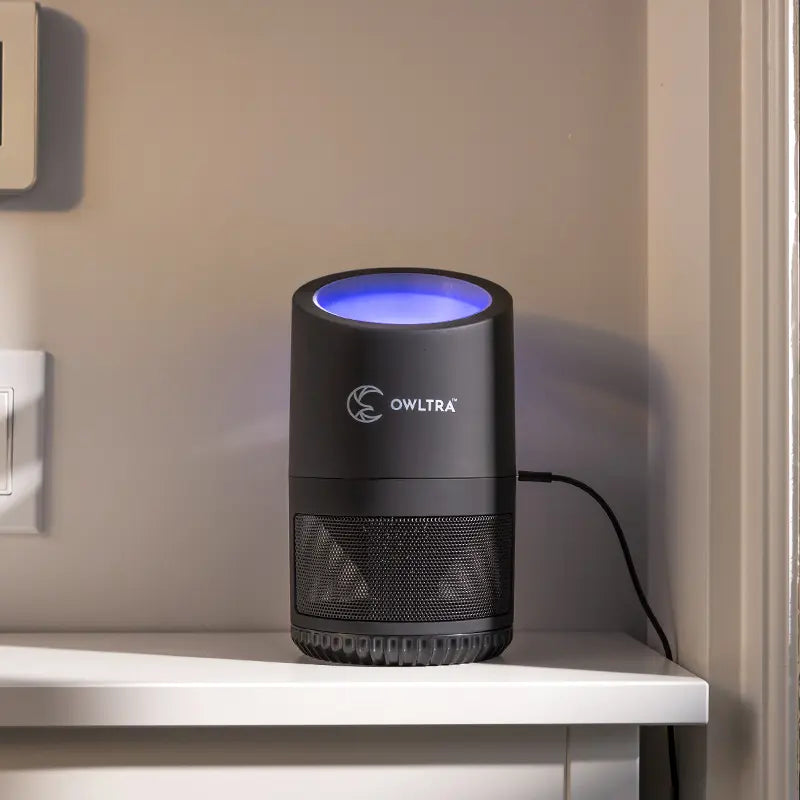
Living in a small apartment can feel like a constant struggle with fruit flies, gnats, mosquitoes, and other tiny pests. Using traditional options—chemical foggers, sprays, or loud bug zappers—can be messy, inconvenient, and not always safe in confined spaces. The OWLTRA L60/L70 indoor electronic insect trap takes a different approach: it uses UV LED lights and a quiet fan to gently draw light-loving insects onto a sticky glue board, and sits unobtrusively on your counter. You can set it up in less than five minutes; it's simple to maintain and almost noiseless when running. This article explains how OWLTRA works, where and when it’s most helpful for apartment renters, tricks for getting the most out of it, and honest caveats—so you can decide whether it fits your low-maintenance pest control needs.
Introduction
Anyone who’s chased fruit flies around a small kitchen or lost sleep to buzzing gnats knows apartment living brings its own pest problems. In close quarters with limited airflow or storage, blasting chemicals or calling for heavy-duty extermination isn’t just impractical—it can make your place feel less comfortable than the bugs do.
Most renters don’t want to fill their homes with equipment or live with a constant smell of pesticides. With more people choosing minimalist, eco-friendly decor, ideal pest control should be subtle, effective, and hands-off. That’s the thinking behind the OWLTRA L60/L70: an indoor electronic insect trap built for everyday apartment living and designed with peace of mind for renters.
This guide explains how OWLTRA sets itself apart, what its tech actually does, when and where it works best (and where it doesn’t), and simple steps to get it running in minutes. Whether you’re tired of flying bugs or just want a clean, quiet home, here’s what to know about this minimalist pest control device.
Actionable Tips
1. Five-Minute Setup & Deployment
Follow these quick steps:
-
Unbox and Position
- Take OWLTRA out of the box.
- Put it on a flat spot next to wherever you usually see bugs (fruit bowl, trash, compost, or houseplants).
-
Prepare the Glue Board
- Open the base.
- Peel the film from the glue pad to expose the sticky side.
- Place the pad sticky side up and click the base closed.
-
Connect to Power
- Plug the cord into OWLTRA and a nearby outlet.
-
Activate
- Hit the power button.
- Check that you see the UV light on and the fan running quietly.
For most people, the full setup takes less than five minutes.
2. Strategic Placement & Operation
- Make OWLTRA the Brightest Light Nearby: UV lures bugs best when there aren't competing lamps or screens. Use OWLTRA at night with lights, TVs, and other screens off. In the day, pull the curtains or dim the room if you can.
- Stay Clear of Strong Breezes: Avoid placing the trap in front of air conditioners, fans, or drafty windows. Airflow can mess with the suction, letting bugs escape.
- Put OWLTRA Near Bug Hangouts: Keep it within two or three feet of trash, fruit, wet pots, or bathroom drains.
- Keep OWLTRA Out of Busy Pathways: Choose low-traffic spots so curious kids or pets don’t knock it over, and dust doesn’t build up as quickly.
3. Maintenance Routine
- Weekly: Check the sticky pads for bugs or dust. If it’s more than half full or getting less sticky, replace it (industry guidance). Wipe the fan area gently with a damp cloth (always unplug first).
- Every 2–3 Months: Switch the glue pad out even if it still looks unused, since old pads lose their stick over time.
- Annually: If you ever upgrade to a version with swap-out UV tubes, those should get changed once a year. Current LED models don’t have much drop-off in brightness over a typical use span.
- If You or a Pet Gets Glue on You: Use some vegetable oil to loosen the glue before washing with mild soap and water.
4. Integrate OWLTRA into a Minimalist Pest Control Plan
Minimalist pest control means building good routines, not stockpiling gadgets:
- Keep Things Clean: Wipe down counters, don’t leave dirty dishes or food out, seal food tight, and take out trash regularly.
- Seal Cracks and Holes: Use caulk or temporary strips around windows, doors, and pipes.
- Control Moisture: Fix leaks, run fans, and keep humidity down—bugs love damp places.
- Add Other Traps When Needed: For sudden flare-ups, pair OWLTRA with a homemade fruit fly trap (like a bowl of apple cider vinegar and soap), or ask your landlord to help if the problem’s bigger than just your unit.
5. Know What OWLTRA Can and Cannot Do
OWLTRA is a good choice if you:
- Want to avoid chemicals and keep things safe for pets and kids.
- Need a small, quiet, preventive tool for occasional bugs.
- Care about saving energy and want something you can basically leave alone.
OWLTRA probably isn’t the answer if you:
- Are facing a major infestation (start with deep cleaning, targeted traps, or landlord help).
- Want to use it outdoors or somewhere it could get wet.
- Expect to solve bug problems instantly or never need to check the device again.
Conclusion
The OWLTRA L60/L70 is a handy match of simple design and practical pest control—just right for renters who want a cleaner, more peaceful home without extra effort. Its small size and chemical-free setup make it blend into apartment life easily, keeping gnats, mosquitoes, and fruit flies in check with minimal noise and clutter.
Still, like most things, it works best as one part of a bigger routine: regular cleaning, managing trash, and cutting down on moisture matter just as much. OWLTRA’s strengths are its convenience, ease of use, and quiet operation for everyday bug problems. Its weak spots are active infestations and bigger, tougher pests, or outdoor settings.
For renters who want to keep bugs under control without changing their whole apartment routine, OWLTRA is a simple, effective tool worth considering.