


Long-Term Rodent Prevention With OWLTRA OW7: Beyond Just Setting Traps
Executive Summary
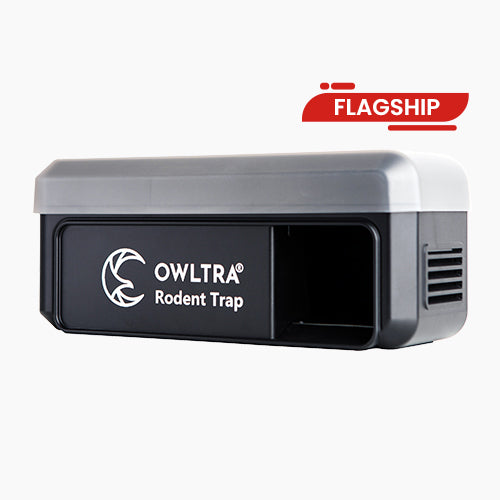
Dealing with rodent infestations is more than just putting out extra traps. It’s an ongoing problem that calls for a smart, proactive approach. The OWLTRA OW7 In-/Outdoor Waterproof Electronic Rodent Trap isn’t a perfect fix, but when you use it as part of a broader strategy—focusing on keeping rodents out—it can be a reliable, humane, and flexible option for tackling rodents over the long haul. In this guide, you’ll find a detailed look at where the OW7 performs better than typical snap traps, important details to keep it working well, and practical advice for owners, managers, and residents who are aiming to keep rodents away for good—along with what it actually takes to stay ahead with maintenance and placement.
Introduction
You’re up late. There’s a faint scratching behind the walls, or maybe you catch a blur crossing the garage. Most people grab some snap traps and cross their fingers for a quiet night. If you’ve been here before, you know that peace doesn’t last.
Rodent problems keep shifting. Anyone who’s battled rats or mice knows that just trapping now and then is a losing game. Real control means thinking ahead: blocking them out and paying attention before it gets out of hand. The OWLTRA OW7 isn’t just a trap—it’s built to be a real piece of a bigger prevention plan. But does it really help keep rodents away for good?
Long-lasting rodent control relies on blocking entry points, regular maintenance, and keeping an eye out for new activity. Trusting any trap to do the whole job, without solid backup, usually leads to frustration. In this article, you’ll get a straight look at how the OW7 can fit into a real-world plan—what’s great about it, what isn’t, and what it’s like to use day to day, based on instructions, professional experience, and real users’ stories.
Actionable Tips
1. Integrate the OW7 Into a Full Exclusion Strategy
Phase 1: Property Audit
- Inspect your property for grease marks, droppings, gaps, or chew marks. Sprinkle a little flour on suspect runways at night so you can see rodent tracks by morning.
Phase 2: Physical Exclusion
- Close every opening wider than 1/4-inch with sturdy mesh, foam, and quality sealant. Look closely at vents, pipes, and where doors meet the floor.
Phase 3: Defensive Line Placement
- Once you’ve sealed things up, place the OW7 in high-traffic areas, especially where outside meets inside. Set it flat against a wall, with its side entrance out.
- In sheds or similar buildings, set it on concrete or on blocks so it stays above puddles.
2. Master Baiting & Setup
- Wear Gloves: Always put on gloves when you handle the trap and bait. Rodents can pick up on even tiny traces of scent.
- Keep Bait Small: Don’t overdo it—a small dab of peanut butter or nut spread (the stainless cup at the back is for bait) is plenty, and don’t get any on the metal plates.
- Don’t Let It Get Messy: Any spilled bait or debris on the plates or sensors can set off false alerts or drain your batteries.
3. Maintain Vigilance
- Check Often: Especially after rain or a damp night. If moisture bridges the sensors, you might see red and green LEDs flashing together. If that happens, unplug it, open the case, and dry it completely before using it again.
- Remove Dead Rodents and Debris: Turn it off, remove batteries or power, open the catch chamber, and wash the base with mild soap or hydrogen peroxide. Don’t soak the electronic part.
- Watch the Alerts: The trap blinks green and beeps when triggered. After a catch, a green pulse every ten seconds and a buzzer every minute mean it’s time to empty it. A red blinking light means the batteries are low.
4. Know the Device’s Limits
- Don’t Submerge: Water-resistant doesn’t mean fully waterproof. Avoid using it in places prone to floods or heavy rain unless fully sheltered.
- Use Caution With Power: It’s an electrical device. Keep it away from kids and pets.
- Be Ready for Upkeep: Expect to replace D-cell batteries if you use it outside frequently, and plan for regular cleaning. Making this part of your routine keeps rodents from slipping past a neglected trap.
5. Understand Return and Financial Terms
- The company only allows returns for 14 days. Test your new trap right away to make sure it works in your space, and contact support quickly if you have any problems.
- Single units cost about $43, with multipacks up to $225. Since the device is reusable and built to last, you often save money compared to throwaway traps or poison over time.
Conclusion
The OWLTRA OW7 won’t solve every rodent issue, but it earns its place as a humane, practical, and versatile tool—if you treat it as one piece of a larger plan focused on sealing up and regular monitoring. Its biggest strengths—non-toxic kills, real alert signals, and the ability to stand up to some outdoor use—only pay off with proper care: you have to keep it clean, use the right power, and take moisture seriously. For those serious about cutting down rodent problems, the OW7’s biggest value comes when you make it part of an overall prevention plan, not when you just plug it in and walk away.
Bottom line, keeping rodents away starts with closing up entry points, managing food and clutter that draw them, and using dependable traps like the OW7—always with eyes open and a readiness to keep up. Don’t fall into the trap of thinking you can just set it and forget about it. Pair good gear with proven exclusion steps, and you’ll give yourself the best shot at keeping unwanted guests out.