


Indoor vs Outdoor Electric Mouse Traps: When OWLTRA OW7 Is The Best Pick
Executive Summary
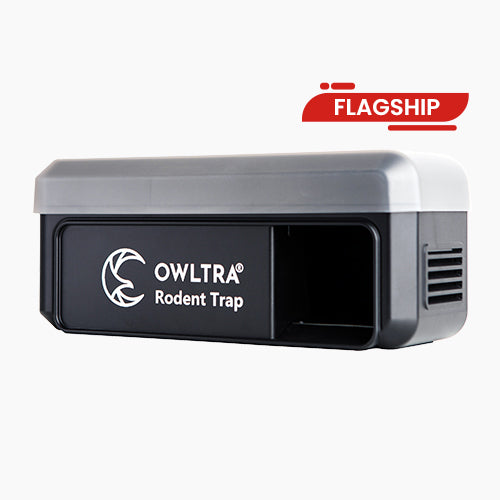
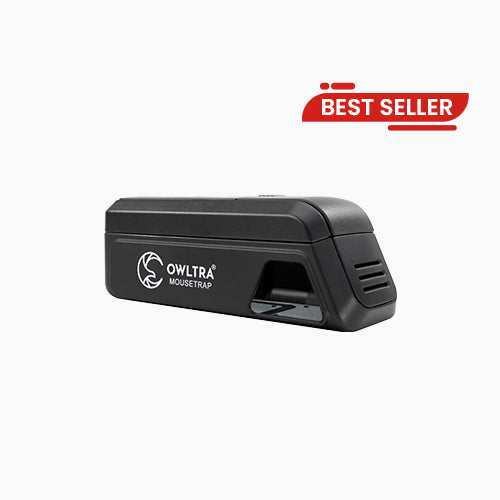
The difference between electric mouse traps made for indoor use and those built for outdoor spaces is bigger than it looks. The OWLTRA OW7 combines a powerful electric chamber, two ways to power it, and an IPX4 waterproof rating. It's not just a sturdier indoor model—it was designed for awkward spots where other traps tend to fail. Its mix of toughness and more humane control works well in places like garages, sheds, covered patios, and crosstown corners where less durable traps don't last.
Yet, the OW7 works best with some effort: it needs smart positioning, regular upkeep, and a sense of what it's built to handle. You get the most from it if you check in and make adjustments, not if you just leave it and hope for the best. For anyone dealing with half-indoor, half-outdoor mouse trouble, the OW7 is often the smartest, most consistent, and most humane answer—as long as you respect what it can and cannot do.
Introduction
Maybe you've come out to the garage and found gnawed wires or you've seen signs of mice in your shed after a storm. You're looking for something effective, safe, sturdy, and easy to use—but the right solution depends on where you need it. Most electric mouse traps are built for stable indoor conditions, where things like temperature and moisture aren't a problem. Move outside your kitchen or pantry, and suddenly you face a new set of headaches: wetness, temperature swings, dirt, bugs, and animals looking for shelter. What works inside might not last a week outdoors.
That's exactly when the OWLTRA OW7 steps up. Unlike basic traps that try to fit all situations, the OW7 is built for those awkward places that aren't quite indoors but aren't open to the elements either. But does it actually deliver? When is it worth choosing this over a small indoor unit or a simple snap trap? What do studies, field tests, and experienced users really say about this type of "semi-outdoor" electric mouse trap?
Here, we'll look closely at how indoor and outdoor rodent control really differ, show what makes the OWLTRA OW7 stand out, and share what years of use and research say about where it fits best.
Actionable Tips
Whether a mouse trap helps you or causes more headaches often comes down to how you set it up and look after it—especially for hybrid models like the OW7. Here’s how to get better results:
1. Placement Strategy
- Don't test its limits. Put the trap under cover, inside sheds, or in garages. Avoid open lawns, low-lying spots, or places that collect water.
- Place along rodent paths. Set the OW7 parallel to walls, next to droppings, or on clear mouse trails. The side entry design helps draw them in.
- Keep it off the ground if there's water. Even with splash protection, electronics and water don't mix if there's any pooling.
2. Smart Power Management
- Pick batteries for remote spots, USB if you have an outlet. Batteries mean more freedom but might run out at the wrong time; plugging in is more reliable when you can.
- Check power often. When the batteries get low, the trap might only deliver a weak shock, which defeats the goal of quick, humane kills.
- Only use one power source—never both. The manual is clear on this: using both can damage the device.
3. Baiting for Success
- Less is more. Use a dab of peanut butter or similar bait and push it as far in as you can so the rodent has to enter fully. Too much bait risks a short circuit or gives the mouse a snack without triggering the trap.
- Don't add your scent. Wear gloves so you don’t leave human smell on the trap, which can put mice off.
- Consider pre-baiting. Some pros suggest leaving the trap off and baited for a couple of nights so mice build trust and let their guard down before you switch it on.
4. Maintenance Is Not Optional
- Check often. After rain or on busy rodent nights, look in and remove any catch quickly so you don't attract more pests and keep the trap clean.
- Wipe down sensors and plates. Dust or moisture here can cause false alarms or prevent the trap from working.
- Regularly change bait. Outdoor bait dries out or spoils quickly, especially with temperature swings.
- Watch for rust. Even with a waterproof case, humid air can slowly cause corrosion. If you notice blinking lights or errors, dry it out and check contacts.
5. Safety & Responsible Use
- Think about safety. The OW7's design helps, but always keep it away from pets, kids, and non-target animals.
- Don't let it get submerged. Getting caught in the rain is fine. Sitting in a puddle or flood isn't—no electronic trap can take that.
6. Learn from the Learning Curve
- Most user complaints boil down to bad baiting, forgetting to check the trap, or expecting a weatherproof model to work anywhere, without limits.
- Be sure to read the directions, check FAQs, and ask for advice if you get stuck.
Conclusion
The OWLTRA OW7 isn't the only trap out there, and that's actually a good thing. Its strengths come out where rodent control is toughest: in the in-between spaces where ordinary options don't cut it. With splashproofing, quick and more humane kills, multiple power choices, and smart features, it's a strong fit for anyone dealing with mice or rats in garages, sheds, covered patios, or other places that aren't fully indoors or out.
But there are tradeoffs: it's bigger, takes some learning to use well, and you have to stay on top of maintenance. It's not a miracle fix, and no trap can replace blocking entry holes or keeping things clean and tidy.
To sum up: pick the OW7 when
- Your problem spot isn't fully inside or outside
- You need moisture resistance, flexibility, and extra power more than just a small size or the lowest price
- You're willing to check, clean, and maintain it for consistent, humane results
If you use it sensibly, knowing its limits and strengths, the OW7 can be a reliable tool in the ongoing fight against unwanted rodents.