



Independent Lab Results: OWLTRA Electronic Mouse Trap Efficacy
Executive Summary
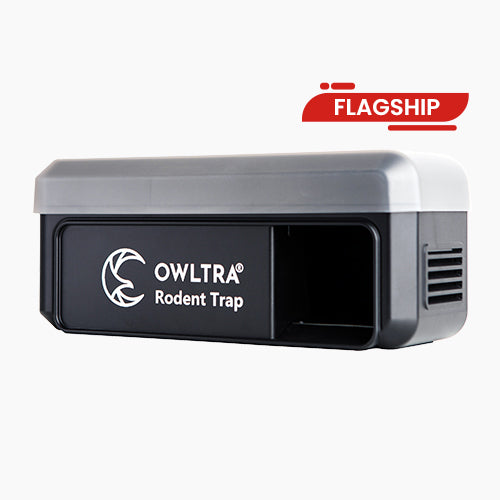
The OWLTRA Electronic Mouse Trap series—featuring models like the OW7, OW2, and OW2-Plus—offers an advanced, humane, and poison-free approach to rodent control. Although OWLTRA’s technical claims are supported by manufacturer specifications and align with the broader field of electronic rodent traps, there are currently no published, peer-reviewed laboratory trials specifically validating the efficacy claims of OWLTRA traps. This article synthesizes available technical data, electrical trap research, and extensive real-world user reports to present a realistic, nuanced view of OWLTRA's capabilities. We examine true efficacy, humane-kill standards, environmental suitability, and practical deployment best practices to help homeowners, pest professionals, and smart home enthusiasts make informed rodent control decisions.
Introduction
Imagine waking for a midnight snack, only to hear a rustle behind your refrigerator. Whether you’re a city dweller or nestled in the suburbs, finding rodents inside is a universal frustration—evoking everything from mild disgust to genuine health concerns. Historically, rodent control has been a difficult game of trade-offs: old-fashioned snap traps, messy glue boards, and dangerous chemical baits. Enter the age of smart, electronic solutions. The OWLTRA Electronic Mouse Trap, in particular, has captured attention with promises of a quick, humane kill and poison-free operation.
But amid manufacturer boasts and sleek packaging, one question stands out: How effective are these electronic mouse traps in the real world—and what does independent evidence actually show? This article pulls together public technical standards, published trap research, and hands-on installation insights to unravel the truth behind OWLTRA’s efficacy. Whether you’re debating a purchase or optimizing traps you already own, read on for a comprehensive, no-nonsense analysis that separates science from hype.
Actionable Tips
User feedback and technical documentation reveal a set of practical best practices that markedly improve OWLTRA trap effectiveness and safety:
1. Optimal Placement is Everything
Just as a fishing net must be cast where the fish swim, traps must intercept rodent highways. Place units flush against walls, along known travel paths, and near suspected nesting or feeding zones—not in open floors or seldom-used corners. Avoid areas with excess moisture for outdoor traps, especially to prevent damage or malfunction in the OW7.
2. Bait Choice and Maintenance
Use protein-rich, aromatic baits (peanut butter is a favorite) and refresh them regularly to outcompete other available food sources. Traps fail to attract rodents if bait dries out, rots, or is obscured by dust or debris.
3. Check and Rotate Frequently
Don’t set and forget. Even with LED catch indicators, build a habit of checking traps daily—particularly after rain or following an extended period with no activity. Stale bait or weak batteries can sabotage an otherwise functional trap.
4. Battery and Power Vigilance
Keep spare batteries on hand. Replace or recharge as soon as alerts indicate low power. USB-powered outdoor placements should be monitored for cord wear, moisture ingress, or power interruptions.
5. Safety Precautions
Place traps out of the reach of young children and large pets, especially curious dogs that may disturb or move devices. Even with built-in safety design, accidental shocks—though unlikely—are possible if the trap is misused or disassembled.
6. Integrate with Smart Home Tools
Many users increase real-time detection by aiming a security camera at trap locations or syncing check-ins with other smart devices. This is particularly helpful in garages, crawlspaces, or utility rooms rarely visited in person.
7. Avoid Overblown Claims
Given the absence of third-party certifications, be cautious about promising foolproof results or “certified humanness.” Instead, emphasize key strengths: poison-free operation, enclosed kill mechanisms, and industry-aligned humane design.
8. Proactive Troubleshooting
Be mindful of common failure modes, such as:
- Misplacement away from rodent paths
- Moisture issues with outdoor units
- Bait degradation or competing food in the environment
- Delayed removal of trapped rodents, impacting both hygiene and device function
Conclusion
The OWLTRA Electronic Mouse Trap series stands at the intersection of innovation, convenience, and evolving humane standards in pest control. While its technical design compares favorably to the best-in-class electronic traps and delivers clear user-centric features, the absence of publicly available, independent lab trials means efficacy claims should be interpreted with balanced optimism.
OWLTRA traps provide an effective and humane option for rodent control—when deployed thoughtfully and maintained diligently. The wisdom of the field is clear: technology can help, but user technique, monitoring, and placement are what truly drive success. Whether you’re managing a busy family home, a rental property, or a weekend cabin, following these best practices gives OWLTRA traps the best chance to deliver on their promise—and helps ensure unwanted guests don’t outstay their welcome.