


How to Place and Bait the OWLTRA OW7 Electric Mouse Trap Effectively
Executive Summary
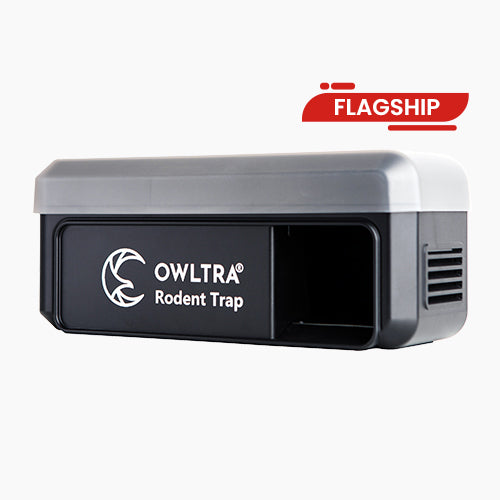
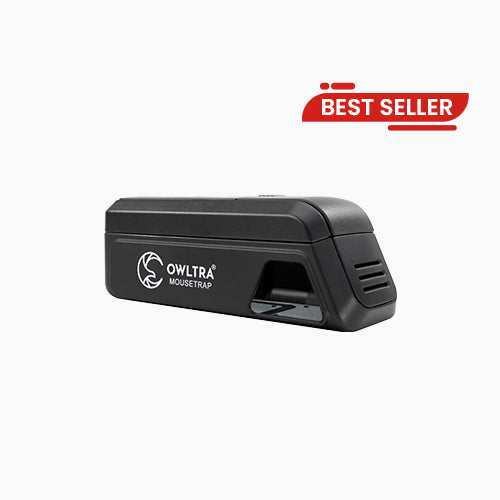
Getting the most out of the OWLTRA OW7 Electric Mouse Trap takes a bit more effort than just plugging it in and walking away. This electronic trap, which uses a humane high-voltage shock and lets you dispose of mice without touching them, really shines when you know how mice think, put the trap in the right spot, keep your own scent off it, use just the right amount of effective bait, protect it from moisture, and keep up with basic maintenance. Drawing on the manufacturer's instructions, pest control know-how, and feedback from people who’ve used it, this guide explains how to get your OW7 working at its best, whether you’re using it indoors or outside.
Introduction
You notice mouse droppings under the kitchen sink. A cereal box looks chewed through. Maybe you’ve heard some light scratching behind the walls late at night. Suddenly, it’s clear you’ve got mice. Instead of chasing them around with old-school traps, you’re considering a tech-forward solution: the OWLTRA OW7 Electric Mouse Trap. Its enclosed shock chamber promises quick, humane kills—a big step up from snap traps or sticky boards.
But here's where it can go wrong: If you just drop the trap wherever, load it up with bait, and forget about it, the mice will probably give it a wide berth. Even the best mousetrap won't work if you ignore mouse habits or overlook how the trap really functions. Outsmarting rodents takes a bit of thought: you need to consider their patterns, think like a mouse, and fit your approach to both the behavior of the animal and how this newer trap works.
Whether it’s one mouse sneaking through or a whole group moving in, this guide covers the steps and little details that turn your OW7 into a reliable mouse catcher—while keeping things safe and humane.
Actionable Tips
Now, let’s get practical. These steps mix manufacturer suggestions, pro pest-control methods, and real-world tweaks that actually make a difference. The details matter here—don’t skip them.
1. The Strategy of Scent: Pre-Setting Preparation
Mice are experts at detecting trouble.
- Always use gloves (latex or nitrile) when setting, baiting, or cleaning the trap. Human scent warns off most mice. Gloves are also just more hygienic.
- Wipe down the trap before you set it up. Old rodent smells left behind sometimes attract other mice, but leftover food bits or fluids can make the electronics glitch—causing error lights or making the trap trigger when it shouldn’t.
- Don’t smear bait near the entrance or on the outside. This creates a mess and will just make the trap less inviting to mice.
2. High-Success Baiting Techniques
The kind and amount of bait you use make a big difference.
- Use sticky, strong-smelling bait: Creamy peanut butter and Nutella work well because the smell draws mice in and the sticky texture makes them spend time inside the chamber. Chocolate spread, almond butter, or a tiny piece of fatty meat also work—helpful if you want to avoid peanuts.
- Stick to a “pea-sized” amount: You want just enough to make the mouse curious, not enough for it to eat and run without stepping on both metal plates. Too much bait can also foul up the sensors.
-
Place bait in the dedicated cup at the back: This forces the mouse to walk all the way in, so it steps across both metal plates.
- Bonus tip: You can put a small piece of tape on the back vent grills to help keep the scent inside, pulling the mouse deeper into the trap.
- Don’t use your hands to apply bait: Use something like a toothpick or cotton swab to keep your scent off the trap.
3. Precision Placement: Thinking Like a Rodent
You’ll have much better results if you put the trap where mice already travel.
- Stick to the “runway”: Set the trap right up alongside a wall or in a corner where you see sign—droppings, chewed food, or even trails in dust. Never leave it out in the open. The trap entrance should be flush with the wall; mice naturally run along these edges.
- Target high-traffic spots: Indoors, the best places are behind your fridge, under the kitchen sink, along pantry walls, by the stove, or in the garage. Outdoors, look for places with some cover—under eaves, beside sheds, or near trash bins. Never leave the trap sitting in standing water or direct rain.
- Use more than one trap for big problems: If you’re seeing a lot of mice, put out several traps spaced a few feet apart. Some mice may avoid the first one but get curious about the next.
-
Extra tips for outdoor use:
- Always put on the weather cover.
- Avoid low spots where water collects.
- After rain, open and dry out the inside of the trap. Water or debris can make the trap stop working.
4. Power and Setup: Technical Best Practices
- Choose one power source: Use either four D-cell batteries or plug in the USB cable—not both at the same time, or you’ll risk damaging the trap.
- Set up in the right order: Make sure the trap is turned OFF before you bait or add power. Only switch it ON once everything’s dry and you’re done setting up.
-
Learn the indicator lights:
- Flashing green: The trap is armed and ready.
- Slow green flashes with a beep: Mouse caught.
- Alternating red and green: Something’s wrong—usually dirty or wet sensors.
- If it’s wet from cleaning or rain: Open the trap, dry out the sensors, and check for leftover bait.
5. Safety and Sanitation
Stay safe and keep things clean with these habits:
- Handle with care: Always turn the trap OFF and wear gloves when emptying it.
- Dispose of rodents the right way: Even if you don’t have to touch the mouse, put it in a sealed bag and dispose of it as recommended by your local waste authority.
- Clean up after use: Wipe the inside of the trap with a disinfectant spray. Don’t sweep up dry rodent droppings—moisten them first or use disposable wipes, following the CDC’s rodent cleanup advice.
- Protect kids and pets: Keep the OW7 somewhere children and pets can’t reach. It’s less dangerous than snap traps, but it still packs a strong shock.
- Medical caution: People with pacemakers or heart problems should avoid handling a live trap.
6. Ongoing Maintenance and Troubleshooting
- Check the trap frequently: Look every few days for dead mice, old bait, or error lights.
- Move the trap if it isn’t working: If nothing has been caught after a few days, try a new spot. Mice usually stick to fixed routes.
- Refresh the bait and batteries: Old bait loses its scent. Weak batteries might stop the trap from delivering a shock.
- Wipe down the chamber and plates: Dust, food, or water can interfere with how the trap works. Use a dry cloth to keep it clean.
Conclusion
Technology is great, but catching mice still comes down to your choices. The real difference comes from using the OWLTRA OW7’s smart design and high-powered shock in a way that outsmarts rodents’ habits.
Set the trap in the right place. Use a little bait, not too much. Check and clean it often. With a bit of planning and attention, the OW7 becomes more than just a fancy gadget—it’s a genuinely reliable, humane, and tidy way to get control over mice. Be patient, notice the details, and keep at it.
Stick with these steps and you'll finally stay a step ahead of the mice—so you can get back to living mouse-free.