

How to Choose the Right OWLTRA Indoor Trap for Every Room and Pest
Executive Summary
Fighting pests at home can seem never-ending, and each room brings its own set of problems. OWLTRA indoor traps give you a cleaner, safer, and simpler way to keep rodents and insects out. This guide will walk you through picking the best OWLTRA trap for different rooms and pests, relying on industry advice and real examples. You’ll get to know pest habits and learn how careful placement makes OWLTRA traps work for your situation—no guessing needed. By the end, you’ll know which model to pick, how it works, and what it takes to keep your home pest-free on a regular basis.
Introduction
Picture a quiet movie night at home suddenly ruined by scratching noises behind the walls or a quick movement in the kitchen. Pests break that sense of comfort and safety. But when you try to solve the problem, the huge number of traps claiming to solve everything can just leave you frustrated.
There’s a smarter way to handle it: picking a trap built for your specific rooms and the pests you actually have. That’s what OWLTRA is about—blending research-based design with simple tech for reliable pest control. Instead of dropping the same trap everywhere, OWLTRA gives you choices so you can pick what’s most likely to work, and skip the trial and error.
This guide aims to give you a straight answer: which OWLTRA trap works best in each room, why the designs work the way they do, and practical tips to actually solve pest issues, whatever you’re dealing with.
Actionable Tips
1. Identify the Enemy: Know Your Pest
Start by figuring out the culprit. Find clues like droppings, shredded paper, or actually seeing the pests. Be specific—different signs can point to rats, mice, silverfish, roaches, or something else. For trickier infestations, use a motion-triggered camera or scatter flour to catch footprints overnight.
Pro tip: Learn to tell the difference between pest signs—mice leave small, rice-shaped droppings; rat droppings are bigger and more cylindrical.
2. Map Your Home’s Hotspots
Each pest looks for a certain environment. Go through each room and check these spots:
- Kitchen/Pantry: Behind appliances, inside cabinets, and on pantry shelves.
- Basement/Attic: Areas near insulation, pipes, or stored boxes.
- Bathrooms/Laundry: Humid corners or spots under sinks.
- Living Areas: Along baseboards, behind sofas, or beneath heaters.
3. Select the Right OWLTRA Trap Model for Each Room
Match the trap to where you see pests and how big the problem is:
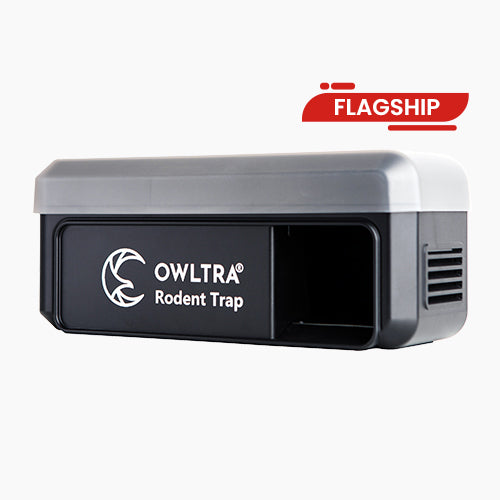
- Pick bigger traps (like OWLTRA XL) for basements and attics with lots of rodent signs.
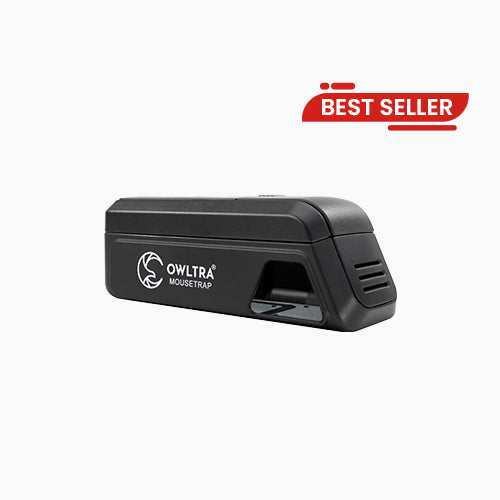
- Use discreet models for rooms where guests or family spend time.
- In homes with more than one floor, rotate 2–3 traps as pest activity shifts during the year.
4. Optimize Placement for Maximum Effect
Rodents stick close to walls. Place the trap perpendicular to the wall, with the entryway right up against it so the bait is in the pest’s path. Kitchens work best when you put them behind the fridge or stove. For areas that get wet, set traps on waterproof mats to keep them off damp floors.
5. Smart Baiting
Some baits get better results. Peanut butter, sunflower seeds, or bacon bits work well and don’t make a mess. Refresh bait if it’s untouched after a week, and clean the inside of the trap regularly to stop scents from building up.
6. Check and Clean Regularly
Even with OWLTRA’s indicators, occasional checks are wise. Set reminders every two weeks, especially in the cold months when pests move inside. Always use gloves when emptying traps, and follow posted directions for safety.
7. Rotate and Relocate as Needed
If your trap stays empty after two weeks and you’ve seen pest activity nearby, move it to a different wall or an adjacent room. Pests adapt, so your plan should, too.
8. Prioritize Safety and Discretion
If you have kids or pets, stick to enclosed OWLTRA models and avoid open traps. For main living spaces, choose lower-profile designs with neutral colors.
9. Long-Term Prevention
Once you’ve caught something, seal up cracks or gaps with steel wool or caulk. Traps are one part of pest control; the real fix comes from blocking entry points and keeping an eye out for new signs.
Example anecdote: One OWLTRA user blocked a mouse-sized hole behind their washing machine and stopped both mice and ants from sneaking in at once. Small fixes can make a big difference.
Conclusion
Picking the right OWLTRA indoor trap for each room and pest brings lasting results—not just quick fixes. With various products to choose from, you can target every problem spot with tools that actually fit the job, making pest control less of a hassle.
Match the model to your situation, place it where pests travel, and keep up with regular checks. When you combine good observation and simple upkeep with tools that work, your home gets back to normal, one room at a time.
No more guessing. No more lost sleep. Just a home that stays clean and calm.