

How Safe Are OWLTRA Electronic Rodent Traps? Testing & Certifications
Executive Summary
OWLTRA electronic rodent traps have gained popularity as a modern alternative to traditional mouse and rat control methods. These devices promise efficiency, cleanliness, and—crucially—enhanced safety for households. But how do they truly measure up when it comes to protecting families, pets, and the environment? In this deep dive, we explore the exact safety mechanisms, look at real-world user experiences, clarify what their IPX4 splash-proof rating means, and critically examine OWLTRA's certification and testing claims. Drawing on user reviews, manufacturer data, and available standards, our goal is to help you make an informed, confident decision about using OWLTRA traps in your home or workplace.
Introduction
Imagine you’re enjoying a quiet evening at home when you catch a glimpse of a mouse darting across the kitchen floor. You shudder at the options: sticky glue traps (inhumane and messy), classic snap traps (dangerous to kids and pets), or slow-acting poisons (risky and unpleasant). Enter the OWLTRA electronic rodent trap—marketed as the "no-mess, no-poison, no-hassle" solution, promising a quick, humane, and safe kill. But with sleek gadgets come new questions: Could these devices accidentally zap a curious child? Are they truly pet-safe? And are they built and tested to the standards you'd expect for anything containing high-voltage electronics in the home?
Throughout this article, we’ll scrutinize these questions and separate marketing from measurable facts. If you’re considering OWLTRA for a rodent problem, or just want to stay up to date as a safety-minded consumer, read on—we’ll cover the full picture: from industry standards to real user experiences, and from hidden trade-offs to best-use tips.
Actionable Tips
Drawing from both technical documentation and hundreds of real user reports, here’s how to maximize safety and effectiveness with OWLTRA electronic rodent traps at home or work:
1. Choose the Right Model for Your Situation
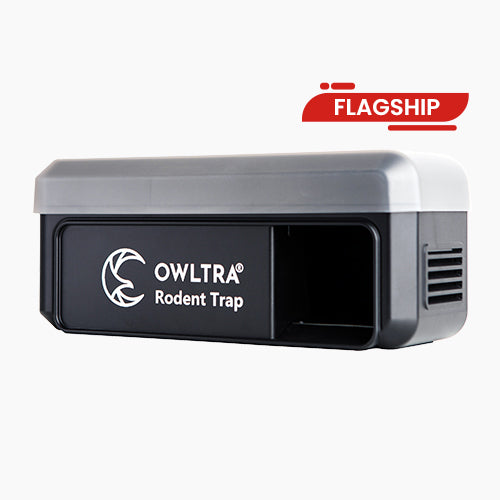
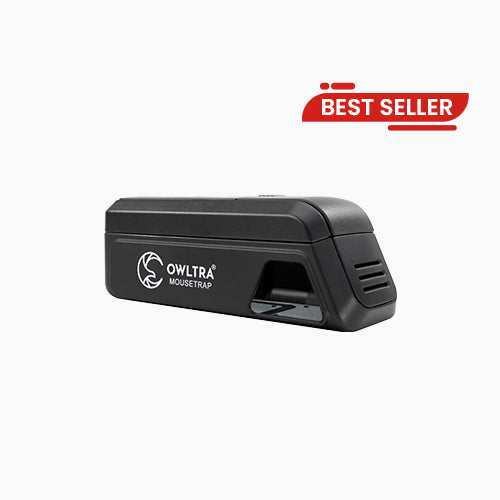
- Indoor Issues? Stick to OW1, OW2, or OW2-Plus. Place only in low-moisture, controlled spaces. Keep away from areas accessible to unsupervised children or curious pets, even with safety mechanisms.
- Outdoor Needs? Use only the OW7—and always with the cover securely attached. Remember, IPX4 means splash-resistant, not waterproof.
2. Placement and Installation
- Along Rodent Paths: Place traps flush against walls where rodents frequent. (Peanut butter is a highly effective bait.)
- Elevated or Shielded: For households with pets or kids, place traps where they cannot reach—behind furniture, or on higher surfaces if feasible.
3. Regular Monitoring and Maintenance
- Check Status Indicators: LEDs and alarms warn you of both catches and low batteries. Respond promptly—removing expired rodents is crucial for hygiene and continued function.
- Battery Checks: Expect 60–90 kills per set (model dependent), but remove batteries during long idle periods to prevent leakage. Replace swollen or leaking batteries immediately.
- Clean Safely: Only clean the trap when fully deactivated. If cleaning is necessary, do not immerse any model in water, especially as only the OW7 is splashproof (not waterproof).
4. Use With Care—Even With Safety Features
- Don’t Rely Solely on Built-In Protections: Dual-sensor logic and hidden shock plates drastically reduce, but do not eliminate, the risk of accidental shock—especially if the unit is tampered with or misused.
- Unplug/Remove Power Before Handling Internals: Always remove batteries or unplug the USB power source before opening the device for cleaning or to remove a rodent.
5. Understand Limitations
- Not “Set and Forget”: Even with advanced safety, OWLTRA traps can be hazardous if left unchecked. Dead rodents should be disposed of promptly, and traps inspected for function and cleanliness.
- Certification Shortfall: For environments with high regulatory demands (e.g., commercial kitchens, child care, healthcare), consider supplementing OWLTRA with devices holding UL, ETL, or IP65–rated credentials.
6. For the Safety-Obsessed Home
- Supplemental Measures: Use physical barriers, exclusion tactics, and non-rodent-targeting alarms where risk to non-target animals (small pets, wildlife) remains a concern.
- Educate Your Household: Make sure family members know not to tamper with the device, and periodically review proper use instructions.
Conclusion
OWLTRA electronic rodent traps represent a significant step forward from the pitfalls of poisons, glue boards, and snap traps. Their layered approach to safety—from recessed shock plates to dual-sensor activation—makes accidental user harm highly unlikely, and real-world user feedback supports claims of reliable, effective rodent dispatching with little mess.
Yet these advances come with caveats: the traps’ lack of well-known safety certifications (beyond IPX4 on select models) limits their claim to universal safety, especially in critical or harsh environments. “Humane” claims, while plausible, lack robust external vetting. Nevertheless, for most households and small businesses, OWLTRA offers a pragmatic, safer alternative—if you remain attentive in setup, use, and ongoing maintenance.
Viewed realistically, OWLTRA is not a silver bullet, but a powerful tool in the modern arsenal for rodent control. Use it wisely, maintain it regularly, and supplement with traditional good practices—and you’ll enjoy effective pest control while minimizing risk.