


How OWLTRA’s High-Voltage Trap Helps Kitchens Stay Compliant Without Poisons
Executive Summary
Whether it’s a busy restaurant kitchen or cooking at home, keeping rodents away is an everyday challenge. Beyond keeping food safe and surfaces clean, kitchens also have strict rules to follow. But the usual ways of handling rodents—especially with poisons—create real hazards for staff and can put a kitchen out of compliance. Owltra’s OW7 High-Voltage Trap solves that problem with a non-toxic, modern approach that fits right in with today’s food safety policies. It kills rodents instantly and avoids the headaches of traditional chemicals, working well in both business and home kitchens. This review takes a close look at changing pest-control regulations, details of the OW7’s design, user feedback, what you gain or lose versus other methods, and straight-ahead advice to make the most of this electronic trap.
Introduction
Imagine the evening rush in a restaurant kitchen: pans clattering, cooks hurrying from station to station—when suddenly somebody spots a mouse scurrying under the shelves. Anyone working with food knows the feeling. But the real stress often comes from figuring out how to handle the problem safely.
Poisons and traditional bait stations may offer a quick fix, but they bring hidden dangers: they can contaminate food, break health regulations, and cause secondary poisoning issues. As a result, food safety laws have gotten tougher, especially anywhere food is stored or prepared. Cooks and managers often feel stuck: how can they get rid of pests and still follow the rules?
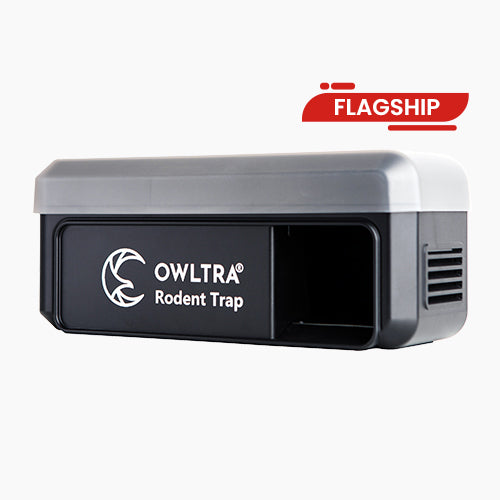
This is where the Owltra OW7 In-/Outdoor Waterproof Electronic Rodent Trap makes a difference. Instead of using chemicals, it gives a rapid electric shock—reducing the risks that come with poison and keeping kitchens within the health code. The OW7’s set of features, proven results, and everyday use in kitchens are the focus here, showing how today’s tools can help keep both rodents and fines away.
Actionable Tips
You won’t get the best from the OW7 just by plugging it in; getting top results means paying attention to details. Here’s what veteran kitchen managers suggest:
Optimal Placement
- Flush to the Wall: Always set the trap right up against wall edges where rodents are likely to travel, especially near food storage, prep spaces, and access points.
- Keep Out of Standing Water: Even with its IPX4 rating, don’t set the trap down in puddles or where it’ll get drenched—splashes are fine, but it’s not built for soaking.
- Use Covered Outdoor Areas: For outside use, put the trap under a roof or ledge to keep rain off the electronics.
Smart Baiting
- Go For Protein: Baits like peanut butter or Nutella work well in the cup for both mice and rats.
- Bait Safely: Always turn the trap off before baiting, and wear throwaway gloves to avoid electrical shocks or transferring human scent (which rodents avoid) (Center for Biological Diversity).
- Keep it Clean: Use a cotton swab or toothpick to apply a small amount of bait and avoid making a mess—this keeps the sensors working and triggers reliable.
Routine Maintenance
- Sensor Upkeep: The infrared sensor is key. Wipe it down frequently, especially in busy or greasy back-of-house areas, so it keeps triggering properly.
- Check Batteries: Keep an eye on battery strength and have extras ready. Don’t plug in USB and batteries at the same time.
- Trap Logs: Record where you place each trap, how many catches it gets, and when it’s cleaned. Staying organized helps with passing inspections and reveals the best trap locations.
Sanitary Disposal
- Touch-Free Emptying: Once a rodent is caught, use the trap’s disposal system to drop it straight into a bag—no need to handle the animal directly.
- Disinfect Afterwards: Wipe the area with a food-safe sanitizer every time you remove a caught rodent to limit germs.
Scaling and Planning
- Use Several Traps for Big Problems: For heavy infestations or larger kitchen setups, run multiple OW7s and check them on a staggered schedule, since each holds just one rodent.
- Check Warranty and Vendor Info: Buy from a trusted supplier so your warranty is valid, and review all instructions (for battery, USB, and water resistance) to avoid preventable trouble.
Holistic IPM Strategy
- Part of a Big Picture: The OW7 works best as one piece of your defense: seal up holes, keep things clean, and schedule outside pest control visits when you have stubborn or recurring problems.
Conclusion
For kitchens working to keep up with stricter food-safety rules, the Owltra OW7 High-Voltage Trap provides a solid, poison-free answer to the rodent problem. Its electrical kill method skips the hazards of poisons—there’s no chemical mess, no concerns about secondary poisoning, and none of the fuss or record keeping that comes with bait stations.
Still, no device is foolproof. The OW7 gets results when placed well, cleaned regularly, and paired with good kitchen routines like record-keeping and sanitation. Even though it costs more upfront and means taking care of maintenance and resets, it gives kitchens a dependable way to manage rodents safely and stay compliant.
Investing in a solution like the Owltra trap isn’t just about avoiding fines—it’s about safer working conditions and peace of mind for anyone spending time in your kitchen.