

How OWLTRA Protects Dogs and Cats While Eliminating Mice Without Poisons or Glue
Executive Summary
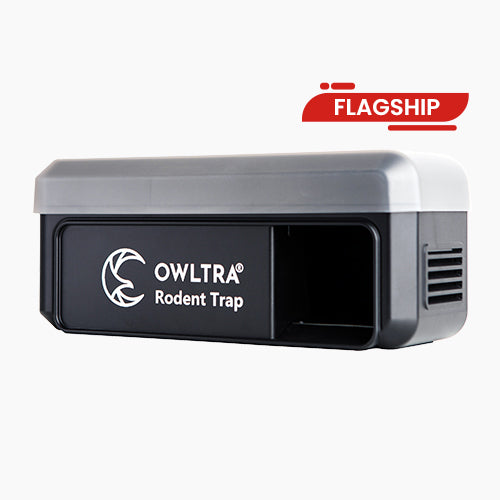
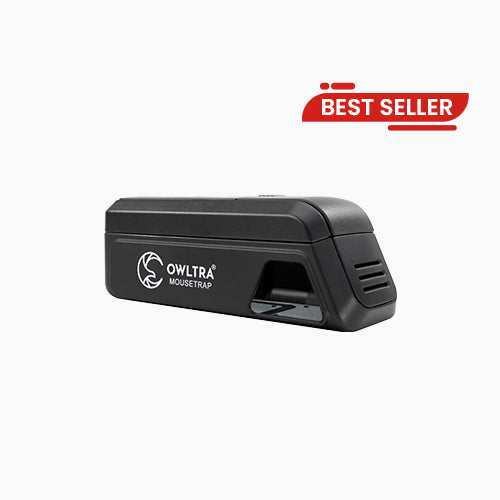
Traditional rodent control creates a tough problem for people with pets: most ways to get rid of mice and rats can put your dogs and cats in danger. Poisons can accidentally harm pets that eat them or eat a poisoned rodent later. Glue and snap traps can hurt or scare curious animals. The Owltra OW7 electronic trap offers a different method: it kills rodents without using any toxins or sticky boards, and keeps pets separated from danger with an enclosed, high-voltage chamber.
With smart engineering, two safety sensors, and a sealed interior, the Owltra OW7 is designed as a safer alternative for homes with pets. Still, no rodent device is entirely foolproof—safe placement, regular upkeep, and knowing what the trap can and can't do all matter. This article combines product details, expert tips, and real experiences to show how Owltra works, why it's safer for pets, where you need to be careful, and how you can use it as part of a thoughtful, humane rodent plan.
Introduction
Picture this: it's late, you walk into the kitchen, turn on the lights, and spot a quick blur scurrying along the wall. Having mice or rats isn't just gross—they chew food, damage wires, and can carry disease. But for those with dogs or cats, most rodent control products leave you worrying about your pets, too.
Poisons don't just affect mice. Pets can get sick or worse if they eat bait—or if they find a dead, poisoned rodent. Glue traps don't care who they catch and can end up stuck to a dog's paw or a cat's nose, causing stress and possible harm. Snap traps? They're quick, but they'll snap on anything that trips them.
There had to be something better. That was the starting point for Owltra. The Owltra OW7 electronic rodent trap aims to solve both problems: kill rodents quickly, but protect pets and children from accidental injury. How does it do this? We'll look at what led to these designs, how the device is built, what people have found using it, and the real steps any pet owner should take before setting up rodent control at home.
Actionable Tips
1. Deploying the OW7 in Pet Households
Prioritize Placement
- Set traps along walls and places where rodents move, but never in areas where pets play or eat.
- If using outside, raise the trap on bricks or hard surfaces and avoid spots that get flooded or muddy.
- Use barriers or keep in closed spaces if your pets are small or very inquisitive.
Baiting Best Practices
- Pick protein-rich bait like peanut butter or spray cheese. Use a toothpick to apply it, so rodents don't get suspicious from human scent.
- Don't use too much bait—it can spoil and attract pets, not rodents.
- Change the bait often, especially in wet places.
Monitor and Maintain
- Check the trap regularly, particularly after rain or if you see the LED blink (green every 10 seconds, beep every minute after a kill).
- Clean out the chamber after each catch to keep sensors working and minimize odors.
- Remove dead rodents promptly; don't leave bodies in the device for days.
- If outdoors, check after wet weather—wipe any water or dirt from the infrared area.
Power Up Safely
- Only use battery or USB power, never both at once.
- Use new D batteries for outdoor spots where power outlets aren't nearby.
- Look for damage to cords or battery ends, especially if you have any animals that chew.
2. Understanding and Respecting Limitations
Moisture Is The Enemy
- While the trap can take splashes, standing water will ruin it. Always set it on dry, higher ground and keep it away from areas that flood.
Not Set-and-Forget
- With Owltra, you trade away poisons and exposed dead mice, but you need to check and clean the trap often.
- The sensor won't work well if it gets too humid or dirty.
Supervise Curious Pets
- Larger dogs might move, tip, or chew on the trap. Consider putting it out of reach, behind appliances, or in blocked-off places.
- For pets who won't leave things alone, use gates or physical barriers.
3. Integrate With Broader Rodent Management
No trap works by itself. Use Integrated Pest Management (IPM):
- Seal up holes and gaps where mice can get in.
- Store pet food in airtight containers.
- Get rid of clutter and pools of water.
- Put tight lids on garbage cans and take away outside food bowls.
- Clean behind and under appliances often.
This makes any pest control method much more effective and lowers the chance of another infestation.
4. When Not to Use Owltra
- If you want a trap you never have to check.
- In spaces with loose, very small pets that could get in the entrance.
- Where there's standing water or flooding.
- If you have rodents too large for the trap or that avoid all traps (you may need other methods).
Conclusion
For people with pets, finding a way to get rid of rodents safely is a balancing act. The Owltra OW7 doesn't eliminate every risk, and it's not perfect, but it is safer for most pets than using poison, glue boards, or regular snap traps. It keeps dogs and cats out and kills rodents quickly and cleanly.
The key is not just the design but smart use—safe placement, regular checking, proper cleanup, and following what the product is meant to do. Owltra also asks us to think about rodent control as more than just "set it and forget it." It's about building safer, more humane habits.
With care, the OW7 can turn rodent control from a risk to pets into a practical, pet-friendly part of home life.