

How OWLTRA OW7 Keeps Barns and Remote Sheds Rodent‑Free With Battery or USB Power
Executive Summary
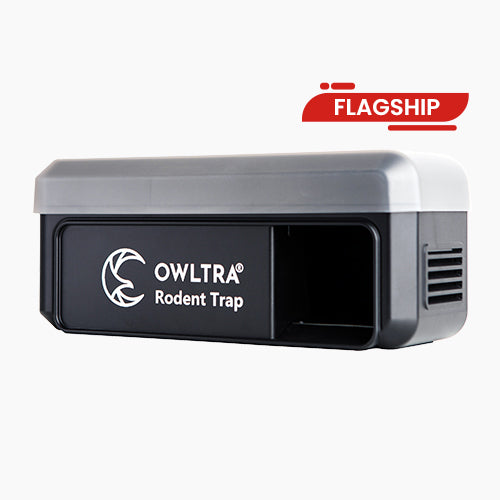
Keeping barns and remote sheds clear of rodents is a constant headache for anyone working in agriculture or rural property care. The OWLTRA OW7 (EMZ50) stands out for its practical mix of a high-voltage kill chamber, battery or USB power, and an IPX4 waterproof housing. Here, we've brought together technical specs, field reports, and lessons learned to see how the OW7 fits into modern pest control strategies for outbuildings. We’ll walk through how it stacks up against old-school methods, lay out simple steps for getting the most out of it, and share tips from users who’ve figured out what works (and what to avoid). Bottom line: the OWLTRA OW7 isn't a miracle solution, but used right, it’s a solid, reliable tool for anyone who needs humane, flexible rodent control around barns and sheds.
Introduction
Anyone who manages a barn or cares for rural property has felt that sinking feeling after spotting chewed feed bags, damage to wiring, or catching a whiff of a rodent nest in a rarely visited shed. If mice or rats can find a way inside, they will—and the fallout is a lot more than just a mess. Rodents ruin stored crops, contaminate hay, spread illnesses, and put animal health and the farm’s bottom line at risk.
Old solutions like snap traps, poison, or glue boards often fall short or cause their own issues in rural environments. Rain and dampness warp wooden traps and rust metal ones; poisons can hurt not just the rodents but also dogs, cats, and owls; glue boards are both cruel and usually fail against big rats. And on properties without steady electricity, you can't just plug a trap in and leave it.
This is where the OWLTRA OW7 comes in. Built to handle the realities of barns, sheds, and other tough spots, it offers both battery and USB power plus weather resistance. But does it really work, or is it just another gadget gathering dust? In this article, we dig into how the OW7 performs in the field—where power isn’t always reliable, and rodents keep showing up—and share advice that actually helps the folks who rely on these traps.
Market Performance & Comparative Evaluation
What the Numbers (and Users) Say
- Customer satisfaction: Average score is 4.37 out of 5 from 618 reviews, most of which report solid real-world results.
- Field Reports: Some owners have caught over 30 rats in a single chicken coop, especially when they use bait like chicken pellets, spray cheese, or peanut butter—anything that stands out compared to bulk feed.
Strengths Versus the Old Standbys
| Feature | OW7 (EMZ50) | Snap Traps | Anticoagulant Poisons |
|---|---|---|---|
| Mechanism | 6,000–9,000V electrical shock | Mechanical spring bar | Internal hemorrhage |
| Power | Battery or USB, no outlet needed | No power required | No power required |
| Disposal | No-touch tip-and-empty | Manual contact, messy | Find dead rodents elsewhere |
| Secondary Poison Risk | None | None | High |
| Weather Resistance | IPX4, splash-resistant, covered | Warps/rusts in moisture | Compound rapid degradation |
| Maintenance Overhead | Moderate, touchless | High, needs frequent reset | High, due to dead rodent search |
- Convenience wins: The trap's electronic alerts and hands-off disposal cut down on hassle, which matters most in spots you only check occasionally.
- Humane edge: Kills rats and mice quickly—other animals (cats, owls, dogs) don’t suffer from eating tainted rodents.
- Weather-ready: Survives cleaning, the occasional splash, or mud. Just don’t submerge it.
Actionable Tips
After reviewing hundreds of cases and tips from the manufacturer, these are the practices that make the OW7 work best:
Field Deployment Protocol
-
Mask Scent, De-energize the Unit
- Set the power switch to "OFF" and wear clean gloves when handling the trap. Rodents avoid human scent; even small traces hurt your odds.
-
Select and Set Your Power Profile
- Pick either battery or USB power, not both. Remove batteries if plugging in USB, and don’t connect USB if batteries are installed. Mixing power sources can cause damage.
-
Strategic Baiting
- Open the bait hatch at the back. Apply a small amount of strong-smelling, protein-rich bait (like peanut butter, hazelnut spread, or soft cheese). Use a cotton swab or toothpick—not your fingers—to avoid spreading scent, and don’t use more bait than necessary. Excess bait can short out the sensors.
- If feed is everywhere, use bait with a much stronger smell—spray cheese often works well.
-
Placement: Follow the Droppings and Rub Marks
- Place the trap flat against walls or ledges on known rodent paths, well away from where water might collect. Always use the IPX4 cover outside or in exposed areas.
- If you worry about flooding, raise the trap so water can't reach it.
-
Arm and Check for Readiness
- Turn it ON; the light and buzzer confirm the trap’s ready. Look for any error signals, especially after switching power modes or after heavy weather.
Operational Recommendations
- Check and reset regularly if the space is humid, dusty, or after storms. Organic gunk like fluids or fur can block the plates and stop the trap from working right.
- Disposal and Cleaning: After a catch, power off and separate the electronic part. Dump the remains straight into the trash—no need to touch them. Wipe down the plates and tray with a damp cloth and mild soap, and let everything dry before putting it back together. Damp plates can short the trap.
- Rotate bait every two days, or after rain. Wet or moldy bait chases rodents away and can trip the sensors.
- Non-target caution: The tunnel entrance keeps out cats and dogs, but animals like chipmunks or similarly sized squirrels might wander in. Think about which critters are around before setting traps.
- Troubleshooting error states: Both red and green LEDs usually mean you need to dry and clean out the chamber and plates.
Maintenance Wisdom
- Treat its waterproofing as protection against splashes, but not drowning. Keep it up off floors that get washed or flood.
- For remote sites: use generously sized solar power banks or similar USB sources. The trap's current draw is low, but it needs at least 1A for security.
- Use the sound and light indicators—they make occasional checks practical for traps far from regular activity.
Safety and Warranty Reminders
- Always turn the trap off and remove batteries or the cord before cleaning.
- Keep the unit away from children and pets that aren’t its target.
- OWLTRA gives you 14 days to return the trap if it hasn’t been submerged or damaged.
Conclusion
Trying to keep barns, sheds, and field buildings free of rodents isn’t easy—traditional traps often don’t cut it and poisons are risky. The OWLTRA OW7 is purpose-built for these spaces: it runs on two types of power, handles wet, dirty environments, and makes disposal less nasty. Of course, no trap can do it all. You still need to set it up right, take care of it, and think about rodent-proofing and cleanup.
The OW7 won’t magically solve all rodent problems, but for people who use it with some care, it’s a truly practical, humane, and low-hassle way to keep barns and remote sheds clear—a well-placed, well-maintained tool that works.