

How OWLTRA OW7 Helps Gardeners Protect Backyard Beds During Heavy Rainy Seasons
Executive Summary
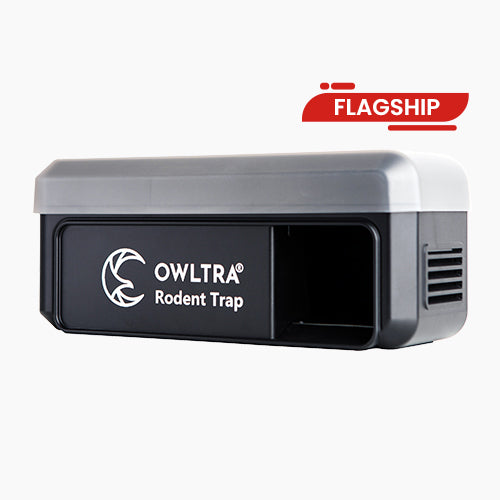
Backyard gardeners know that heavy rains bring much-needed water but also a rise in rodent activity that threatens plants and compost. Older control methods struggle in wet weather, breaking down or causing more harm than good. The OWLTRA OW7 Indoor/Outdoor Electronic Rodent Trap handles rain, avoids poisons, and is designed for these tough conditions. This article explores where the OW7 works best in the garden, how to get the most out of it during rainy periods, what limitations to expect, and when it may let you down if rodents flood your grow beds.
Introduction
Just after the first big downpour of the season, your garden is suddenly a lush sea of green. Not long after, you spot nibbled roots, scattered mulch, and small tunnels winding through your lettuce and radish beds. How did so many rodents show up overnight?
The answer: when burrows flood, mice, rats, and field rodents start searching for higher, drier ground—often landing in your beds, compost, or sheds—where food is easy to find. So, each generous rain that revives your soil also brings an uptick in rodent trouble.
As gardeners quickly realize, tried-and-true tactics like snap traps, poisons, or homemade deterrents can fail or cause new problems when everything is wet and muddy. Is there a safer, more reliable option for outdoor beds during storms? The OWLTRA OW7 aims to fill that gap—an electronic rodent trap built for outdoor use when the weather turns nasty.
Here, we explain why rodents surge after rainfall, why older methods struggle, and how to use the OWLTRA OW7 to protect your beds without endangering pets, tainting your harvest, or risking electrical mishaps. With straightforward tips, examples, and updated advice, you'll be ready when storm season returns.
Actionable Tips
1. Placement Is Everything
Rule #1: Don't put the trap where water collects or floods. Even the best waterproof trap will break down in standing water. Instead:
- Set it on bricks, wall edges, or the top lip of a raised bed.
- Tuck it under shelves or the cover of big-leafed crops like squash to help shield it from direct rain.
Rodent Runways: Rodents hug solid edges with their whiskers as they move. Place your trap right up against fences or garden borders, with the opening matching their likely path.
Shelter Matters: Even with the IPX4 cover, adding extra weather protection—like a crate with an entry hole, a tub, or thick planting—helps keep the trap working longer.
2. Keep It Dry, Keep It Working
After a strong rain:
- Check inside for drips, wipe and dry out if needed.
- Ensure mulch or bedding isn’t holding extra water under the trap.
- Watch for two lights flashing together (red and green); if so, open the unit up and let it dry before using it again.
3. Safe Power Use
- Stick to batteries for outdoor setups—don’t run USB cables through wet areas.
- Do not mix power sources—that’s a fast way to wreck the trap.
4. Scent & Bait Like a Pro
Rodents have a sharp sense of smell; your skin oil will tip them off.
- Wear nitrile or rubber gloves to avoid leaving human scent on the trap.
- Bait with high-protein foods like peanut butter, nut spread, or moist seeds.
- Damp weather spoils bait faster—swap bait every 48 hours for best results.
Tip: Use a cotton swab or toothpick for the bait cup at the back of the trap. That keeps the scent minimal and makes cleaning easier.
5. Don’t Delay Removal
- When the light or buzzer tells you there’s a catch, remove the rodent right away. Within a day in wet weather, remains can decay quickly, leaving odors behind.
- Use the trap’s no-touch open-dump-close design to stay clean.
6. Integrated Pest Management Still Rules
The OW7 is helpful but does not solve every rodent problem. For best results:
- Keep things tidy: reduce clutter, close up sheds, cover compost, and clear out leafy piles.
- Improve drainage to reduce rodent shelter.
- Inspect often—don’t wait for destroyed crops before acting.
7. Monitor and Maintain
- The OW7 doesn’t reset itself if blocked—a carcass must be removed.
- Check after wet nights, during peak rodent spikes, to clear, bait, and stay ahead of the pests.
- Every few months, assess for any corrosion on plates and sensors. Clean or replace if needed.
Conclusion
One heavy rain can turn a peaceful garden bed into a rodent hot spot overnight. The OWLTRA OW7 was built to pick up where other traps fail, helping gardeners defend their crops without using poison or risking bigger messes.
But no trap is flawless: you’ll need to place it carefully, check it often, and know its weather limits. What it offers is a well-designed, humane, poison-free trap that fits neatly into a broader pest control strategy.
For gardeners dealing with stubborn, rainy seasons, the OW7 can make a real difference. When used with care, it adds a reliable layer of garden protection—so you can focus on growing, knowing your beds and your environment stay safe.