

How OWLTRA OW7 Gives Remote Homeowners Peace of Mind With LED and Sound Catch Alerts
Executive Summary
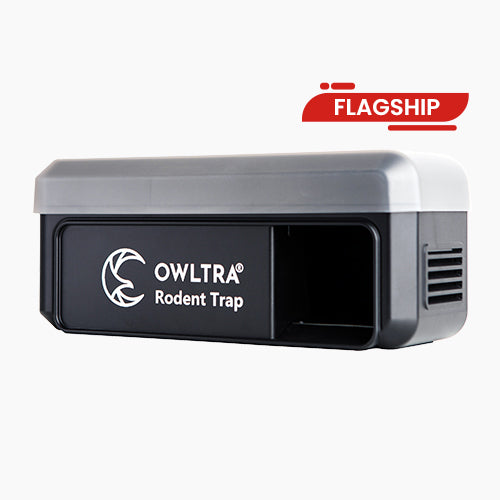
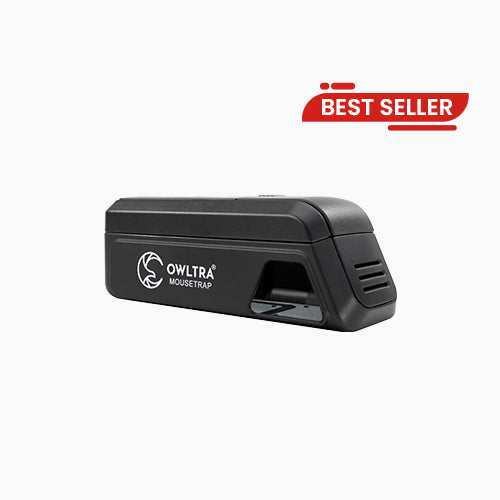
If you own a home or cabin that sits empty for any stretch of time, you know how quickly rodents can become a problem—and how tough it can be to spot the issue until it's gotten out of hand. The OWLTRA OW7 In-/Outdoor Waterproof Electronic Rodent Trap (Model EMZ50 / ERZ50) changes the game, taking high-voltage eradication and combining it with smart LED and sound alerts. This guide pulls together product specs, user stories, and field tests to show you what makes the OW7 stand out, how to get the most out of it, and where it might fall short. If you want to keep your getaway or rental free of pests, this resource is for you.
Introduction
Picture locking up your cabin before snow season or heading home after a long summer at the lake, only to return months later and find rats or mice have taken over, gnawed through wiring, and left an unmistakable odor. When your place is empty for weeks or months—whether it’s a cottage, rural home, or off-the-grid rental—worrying about rodents is almost inevitable.
Old-school options like snap traps and poisons can create just as many issues. Carcasses sit around for months, poison risks linger, and checking routinely isn’t always possible when you don’t live nearby. Wouldn’t it be easier if you could tell right away, even from a quick look or from a distance, if your trap had worked—so you could stop worrying about what’s happening while you’re away?
That’s the idea behind the OWLTRA OW7: a reusable, high-voltage trap with both LED and sound alerts, built for houses, cabins, and outdoor sheds. In the sections below, you’ll find details on how it operates, why it matters for absentee owners, practical setup and maintenance tips, and some honest perspective from users with similar needs.
Actionable Tips
1. Deploy Strategically Along Rodent Runways
Rodents rarely wander randomly—they stick to established paths like walls and the edges of rooms. Set the OW7 with its entrance lined up along these routes. This boosts your odds of catching something and helps the sensors work as intended.
Example: If your crawlspace attracts mice, position the trap near pipe holes, room corners, or any spots where you have seen droppings in the past. Keep it where you (or a caretaker) can easily see the LED or hear the buzzer.
2. Use the Right Bait, Sparingly
For best results, put a dab of peanut butter or hazelnut spread deep into the bait cup. Too much bait can bring in insects or leave residue that messes up the metal grid. Always use gloves or something like a cotton swab—rodents can smell human scent and sometimes avoid tampered traps.
3. Respect the Power Source
- Stick with alkaline D-cells if the trap is outside or you won’t check often.
- Use USB power only indoors, plugged into a good quality adapter.
- Don’t use rechargeables or cheap USB power banks; they can cause malfunctions or even make things unsafe.
4. Maintain a Regular Check-In Schedule
Even though the LED and buzzer make it easier to check from a distance, it’s still smart to visit every week or two. This lets you remove any catches before smells build up, freshen the bait, and clean the sensors.
Pro Tip: Combine these checks with any other maintenance, like changing air filters or checking after bad weather. It’s no extra trip, and you keep everything running smoothly.
5. Outdoors: Shelter and Elevate
Even with water resistance, always use the waterproof cover and place the trap on solid, dry ground—never set it in puddles, grass, or spots that might flood. Covered outdoor areas, like under an overhang or inside a shed, work best.
6. Safety for Kids, Pets, and Wildlife
The electrified chamber is well-protected, but you should always keep the trap where children, dogs, cats, and wild critters can’t reach it. Use barriers or place it up high if there’s any chance a non-target animal could get in.
7. Cleanliness and Sensor Care
Dust, cobwebs, or even bugs can block the infrared sensors, making the trap beep error codes. After each use (or at least on every check-in), gently wipe the sensor area with a dry cloth.
Anecdote: After a particularly windy spell, a lake house owner discovered their trap stopped working. It just needed a quick cleaning to clear out dead insects and dust, and it was back to normal.
8. Integrate Trapping Into a Broader Prevention Strategy
Neither the EPA nor CDC recommends relying just on traps. Seal gaps with steel wool and caulk, keep food and water locked down, and maintain a tidy property outside. Use the OW7 as just one part of your bigger plan for keeping rodents out (EPA Rodent Prevention, CDC Cleaning Guidance).
Conclusion
The OWLTRA OW7 is a rodent trap built for the kind of property owner who can’t be on site all the time. With fast, humane trapping, easy alerts, options for indoor or outdoor use, and both battery and USB power, it’s especially suited for places you check only occasionally.
You’ll still need to visit now and then; this isn’t a totally hands-off gadget. But using the OW7 can make your life a lot easier—and make sure you don’t get any ugly surprises when you come back after a long absence. Add it to your overall rodent control plan and you’ll spend less time worrying and more time enjoying your place.
Managing rodent problems may not be glamorous, but with the right setup, you can at least forget about it until your next stay.