

Fan Power, Not Fumes: How OWLTRA Uses Suction and Glue Pads Instead of Sprays
Executive Summary
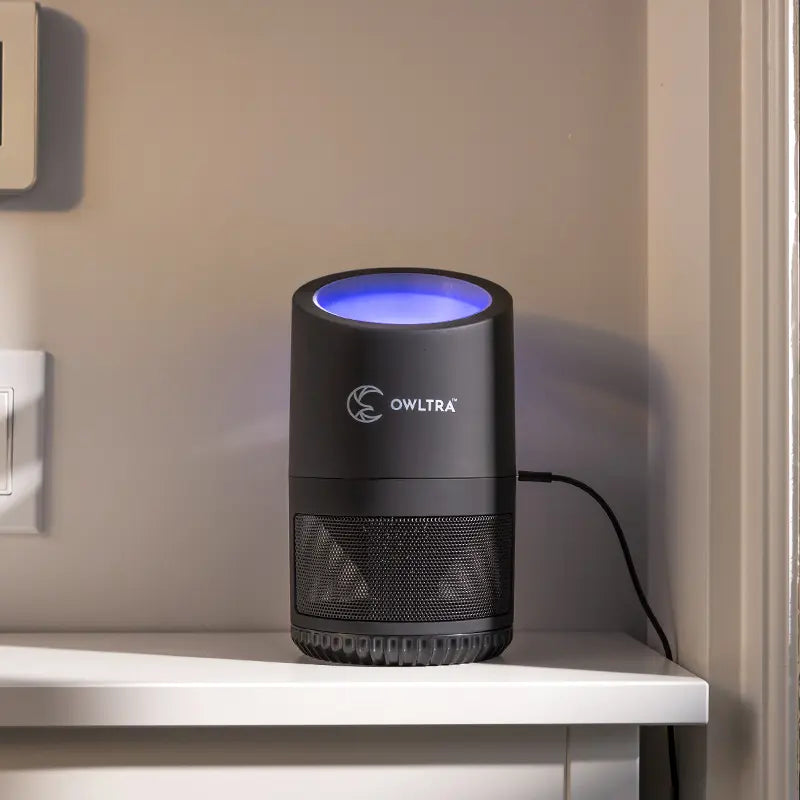
The OWLTRA L60/L70 Indoor Electronic Insect Trap gives you a break from cycles of sprays, zappers, and chemical foggers by using a quiet and clean approach: UV light draws insects in, a fan pulls them onto a disposable glue board, and there are no pesticides or loud zapping sounds. If you want fewer pesky insects without worrying about air quality or your pets, OWLTRA works well for mosquitoes, moths, gnats, and some small flies, especially for mild to moderate indoor outbreaks. It won't completely solve severe cases or fruit fly problems alone, but it’s an effective, chemical-free tool for cutting back on pests and keeping an eye on them. You'll get the best results if you use OWLTRA along with good cleaning habits, removing sources of bugs, and—if the issue persists—other integrated pest management steps.
Introduction
Imagine settling in for a peaceful evening, only to be interrupted by the high-pitched whine and endless flapping that signal the start of bug season. The usual response? Grab a spray can, plug in a zapper, or, if you're desperate, unleash a fogger and clear the room along with your sinuses. For anyone with pets, kids, or a strong dislike for chemical smells, these fixes can seem like trading one annoyance for another—swapping pests for risky air or surfaces.
That’s where the OWLTRA L60 and L70 Indoor Electronic Insect Trap come in. These devices use light, air movement, and glue pads to quietly get rid of airborne insects—no harsh smells, no loud zaps, and nothing left behind. But is "fan power, not fumes" really up to the task? And how does this method work for real homes dealing with actual bugs?
This article looks at the science, what's available on the market, and the real-world use of suction-and-glue pest traps. It breaks down when and why an OWLTRA trap might make more sense than old-school sprays.
Actionable Tips
Getting the Most from Your Suction-and-Glue Trap
1. Where and how to use it
- Best overnight: It works best in the dark—leave it on after the lights are out.
- Place it where bugs gather: Put it near garbage, fruit, houseplants, pet food, or anywhere you keep seeing flying insects.
- Set it at the right level: About 3–5 feet off the ground on a steady surface is ideal.
- Keep it away from air flows: Don’t set it near AC vents, open windows, fans, or direct sunlight, since that can mess with the trap’s airflow or draw bugs away.
- Don’t let outdoor bugs in: Avoid putting the device in a spot where its UV light spills outside and attracts more insects from outdoors.
- Keep out of reach: If you have kids, place the unit where they can’t get to it.
2. Changing glue boards and keeping the unit clean
How to swap out the glue pad:
- Unplug the machine.
- Twist off and take out the bottom tray.
- Pull the film off a fresh glue pad.
- Place the pad sticky-side up in the tray.
- Put the tray back and lock it in.
- Wipe off any dust or debris from the fan area before plugging it back in.
How often to replace:
- Typical routine: Change glue pads about once a week, or sooner if they fill up with bugs or dust.
- Depends on use: In rooms with fewer pests, pads might last a month; in busy spots, they can fill up in days.
- Just look: As long as the glue is still tacky, it’s working. Swap it out if bugs stop sticking or there’s a lot of dust.
- Health rules: Some cities require commercial users to change pads every 90 days or so.
Cleaning tips:
- Always unplug before cleaning.
- Wipe the fan area underneath about once a month to keep UV power from dropping (dust can block up to 30%).
- Don’t use water or a wet rag on electric parts.
3. Combine the trap with other pest control habits
- Good cleaning is most important: Take away ripe fruit, clean up crumbs, and empty your trash to make your home less inviting for bugs.
- Cut off breeding areas: Especially for fruit flies, removing what attracts and feeds them is key.
- Seal up your space: Use screens, seal door gaps, and plug holes to keep new bugs from getting inside.
- Part of a bigger plan: For ongoing or heavy outbreaks, use OWLTRA as one tool among others. You might need more traps or the occasional use of approved chemical treatments (EPA IPM Principles).
Conclusion
OWLTRA’s fan-and-glue approach is a careful, chemical-free way to deal with indoor bugs. Rather than being a substitute for sprays, it’s more of an extra measure for people who want safety and convenience: no fumes, no sudden zapping sounds, nothing for kids or pets to get into.
Of course, bug problems aren’t all the same. For the best outcome, use OWLTRA traps alongside regular cleaning and by removing things that allow pests to breed. If you’re dealing with bigger or chronic problems—especially outside or in businesses—you'll want to add other methods or talk to a pro.
If your main concern is indoor pests and you'd rather not use chemicals, OWLTRA gives you an up-to-date answer: fewer bugs, less hassle, and no nasty smells.