

Deploying Multiple OWLTRA Traps in Shared Spaces: A Practical Guide for House Managers
Executive Summary
Keeping flying insects under control in co-living properties, guesthouses, and other shared indoor spaces isn’t a seasonal worry—it’s ongoing, and it requires solutions that are discreet, safe, and really work. Rather than reaching for chemical sprays or noisy zappers, house managers today want pest control methods that are quiet, safe for pets, and won’t violate food safety rules.
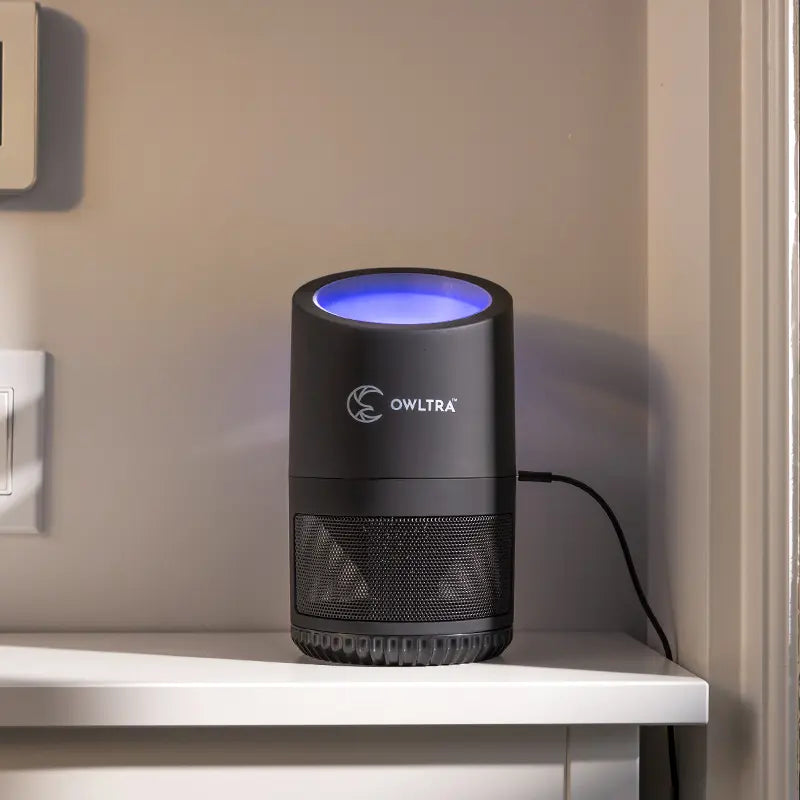
The OWLTRA L60 and L70 Indoor Electronic Insect Traps offer a UV-powered, chemical-free way to deal with pests, but to really get the most out of these traps, it takes some planning on where and how you use and maintain them. This guide draws from research, advice from pest control pros, and what’s worked on the ground, giving house managers practical tips for getting OWLTRA traps to perform at their best.
You’ll find out why it matters where you put traps, what to realistically expect from them, and how regular upkeep and clear communication with residents turn a handful of devices into a property-wide solution that lasts.
Introduction
Picture a Friday night in a busy shared kitchen. Someone’s preparing a special meal, only for a swarm of fruit flies to join in, or a restless mosquito keeps a guest awake, even after you’ve done a deep clean the week before. This isn’t unusual.
For those running shared spaces, flying pests aren’t just an eyesore—they impact residents’ comfort, food hygiene, your reputation, and sometimes even your legal obligations. Common methods like aerosols, sticky strips, or bug zappers bring problems of their own and can compromise the calm, safe, eco-friendly vibe people expect today.
So how do you get rid of bugs without irritating smells, crackling zappers, or risky setups? The answer is a smarter, science-backed approach using newer products like the OWLTRA L60 and L70, plus good planning and making sure everyone on-site knows the routines. Here’s a straightforward look at what actually works.
Actionable Tips
You get the real benefit from OWLTRA traps when you do more than just plug them in. Where you put them, how often you clean them, and fitting them into your overall pest control routine are what decide whether the traps keep residents happy or just look good in a brochure.
Core Placement Principles
1. Trace How Insects Enter (‘Vector Pathway’ Rule)
- Figure out where bugs are coming from—dumpsters, doors, windows—and how they move toward problem spots like kitchens, plant areas, or garbage bins.
- Put OWLTRA traps at spots where insects are funneled together, like doorways and hallway crossings (Sliney et al., 2016).
2. Use Perimeter and Target Placement
- Place traps just inside main entrances to catch bugs as soon as they come inside.
- Add units close to things that attract insects—near fruit bowls, compost, pet water, or houseplants—but never directly on food surfaces.
3. Keep a Safe Distance
- Don’t mount traps over food prep, counters, or eating areas. The goal is to draw bugs away from people, not toward them. Place traps 10 to 15 feet from where people cook or eat.
- For most flying pests, aim for a trap height about 2–5 feet off the ground.
4. Minimize Competing Light
- Only run traps at night so the UV truly stands out. Remind cleaning staff and residents to switch off nearby lights for the traps to work well (Hogsette, 2019).
- Stay away from sunlit or brightly lit spots unless they can be darkened overnight.
5. Avoid Overlapping Traps
- Keep 12–15 feet between traps. Put them too close and you might as well just have one source of light.
- Make sure traps aren’t hidden behind objects—plants, bins, furniture, or curtains—or the UV won’t reach into the room.
6. Make Sure Sites Are Suitable
- Use strictly indoors. Steer clear of wet areas, bathrooms, or anywhere that gets damp.
- Set traps on flat, stable surfaces or wall-mount them if the manual allows. Avoid balancing on rickety shelves.
Installation and Operation
Quick Start:
- Plug in the unit.
- Insert a fresh glue pad and peel off its cover.
- Turn on the trap.
- Set it up at the location you mapped earlier.
- Leave it running overnight, and let staff or residents know to keep surrounding lights off.
- Always unplug before cleaning or changing the glue pad.
For example:
Suppose a property manager at a four-story shared building places L70 traps near the front entrance, trash room, and kitchen. L60s go in quieter corners, office nooks, and next to each floor’s pantry. Each trap operates at night, spaced approximately 15 feet apart, and positioned away from food to intercept bugs before they spread.
Proactive Maintenance
1. Change Glue Pads Weekly
- This is crucial. As traps fill up, they lose their stickiness. Swap the glue pads at least once a week—or every 4–5 days in busy places or during summer.
2. Clean the Device
- Always unplug before maintaining.
- Wipe down the exterior and the fan’s air intake using a dry microfiber cloth or soft brush.
- Never spray water or liquid into the device.
3. Track Inventory and Supplies
- Keep a log of each trap, when its glue pad was last changed, and when it was cleaned.
- Maintain a month’s supply of glue pads for each trap—plan for four per unit.
4. Assign Staff Time
- For 10 traps, set aside 2–3 hours weekly for changing glue pads and cleaning.
- Train staff why regular maintenance is needed: traps filled with insects don’t catch new ones.
Integration with Comprehensive Pest Management
OWLTRA traps are just part of the toolkit. For reliable control:
- Clean daily—promptly remove food waste, take care of leaks, seal up garbage, and don’t let fruit sit out.
- Source removal matters—especially for fruit flies. Tackle breeding spots first. Use homemade vinegar traps (apple cider vinegar plus dish soap) where needed.
- Seal entryways—close gaps in walls, patch pipe cutouts, and keep doors in good repair.
- Educate residents—post clear instructions in common areas about storing food, doing dishes, taking out trash, and reporting pest sightings.
- Track pest levels—count captured insects each week and use the numbers to move traps or find new problem areas.
Cost and Logistics
- Each unit costs about $34.99, and this goes for both models.
- Glue pads should be replaced weekly for every trap.
- Electricity use is minimal—about 6 cents a month per L60 in the United States.
- Free shipping for U.S. orders over $25.
- Returns: You have 14 days to try and send back if not satisfied.
When OWLTRA makes sense:
- Any indoor, shared environment like kitchens, lounges, offices, or bedrooms.
- When chemicals or zapping traps aren’t allowed.
- Where you want to make sure children and pets are safe.
- When someone can reliably handle weekly upkeep.
- For mosquitoes, moths, gnats, and moderate fruit fly problems (after dealing with breeding sources).
When OWLTRA won’t cut it:
- Bathrooms, patios, or any space that’s outdoors or damp.
- Large, bright rooms where it never gets dark.
- When major fruit fly infestations haven’t been tracked to their source.
- Areas larger than 25 feet from one point.
- If consistent weekly maintenance just isn’t possible.
Conclusion
Flying insects don’t just bother residents in shared spaces—they can create real headaches for hygiene and reputation. Many property managers are moving away from the old “spray and pray” mentality. The OWLTRA L60 and L70 help you keep things pest-free quietly, sustainably, and without risking food safety—but the difference comes down to smart use and routine care.
Thoughtful placement that anticipates insect patterns, regular upkeep, and keeping everyone in the loop are what turn traps from a stop-gap into lasting protection. No solution works in isolation, but by fitting OWLTRA traps into a broader pest management plan, you set up a quiet, near-invisible defense that helps keep rooms clean, guests happy, and your property’s image intact.
Place traps smartly. Keep up with maintenance. Share what works with the people living there. You'll see the difference—in the rooms, and in resident feedback.