


Comparing OWLTRA electronic traps with traditional long‑term rodent prevention methods
Executive summary
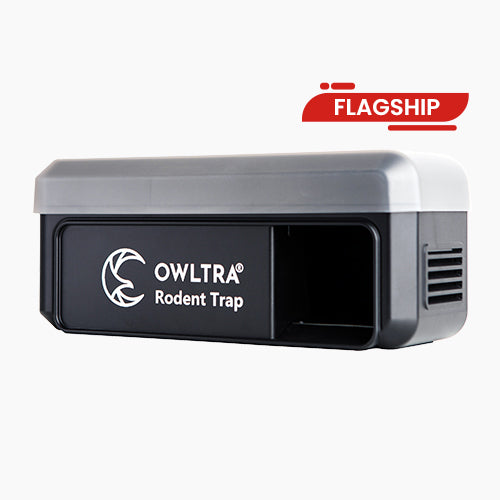
When people talk about effective rodent control, the debate usually comes down to flashy new electronic gadgets versus proven prevention methods that have stood the test of time. The Owltra OW7 (Model EMZ50) electronic trap earns points for its fast, humane kill, simple operation, and the fact you can use it inside or in sheltered spots outdoors. But even the most impressive gadget can’t keep rodents away for good on its own.
Real, lasting rodent control comes from pairing targeted population knockdown—like what devices such as the Owltra OW7 can offer—with more comprehensive habits: sealing up gaps, cleaning up attractants, and routinely inspecting your property. This detailed breakdown explores the upsides and downsides of Owltra’s electronic traps compared to old-school snap traps, poison baits, and practical measures like exclusion, giving homeowners and managers a foundation for decisions that bring both fast results and lasting relief.
Introduction
Picture coming home on a stormy night only to discover clear signs—chewed food packaging, some droppings hidden behind your fridge, perhaps a faint scurrying inside the wall. Suddenly the classic question comes up: Do you try one of those new “smart” electronic traps, or double down on time-tested prevention?
Modern rodent control isn’t just about technology. It’s about trading off quick fixes for changes that actually last. On one side are gadgets like the Owltra OW7, promising fast, hands-free, and humane kills. On the other are tried-and-true (if sometimes messy) methods: sealing gaps, careful cleaning, manual traps, and—where allowed—poison.
We pulled together field results, specs, and expert opinions to tackle a key practical challenge: Can the latest electronic trap really compete with the stubborn realities of long-term rodent prevention? And more importantly, what’s the right balance between immediate action and solutions that really stick for your property?
Actionable tips
1. Use the right tool for the job
- Small, contained outbreaks: The Owltra OW7 or similar electronic traps do best where you want humane results and hands-off cleanup—such as in a garage, kitchen, shed, or covered patio.
- Bigger, widespread issues: Go for snap traps or bait stations. If you’re clearing a barn or business, setting up lots of cheap snap traps gives you much better coverage for far less money.
2. Pair trapping with prevention
- Seal gaps: Find and close possible entry holes. Mice can squeeze through gaps as small as a pencil’s width, and rats fit through half-inch spaces. Use metal mesh, foam, or door sweeps for coverage (CDC, Texas A&M AgriLife Extension).
- Remove attractants: Keep pet food, birdseed, and people food sealed in rodent-proof containers. Clean up spills and get rid of clutter, especially near buildings.
- Change the landscape: Cut back bushes, move firewood away from walls, and clear debris outside—rodents love hiding places.
3. Get the most out of your traps
- Pick smart spots: Place traps where you’ve actually seen rodent activity—along walls, in dark corners, or wherever droppings show up.
- Check often: No matter what trap you use, regular inspection and fast removal of any caught animals keeps things clean and effective.
- Handle the weather: Don’t leave the OW7 out in places that flood or get drenched. Be sure the cover is on right, and avoid pouring water over electronics.
4. Know when to call professionals
- If the problem persists: If rodents keep showing up after trapping, it’s time for an expert to inspect the building, seal up weak spots, and plan a deeper pest management strategy.
5. Remember what traps can—and can’t—do
- Traps only do so much: Even top-end electronic traps can’t fix open entryways or food left out that keeps attracting rodents.
- Combine methods: Pair your trapping (for current rodent activity) with long-term prevention (sealing and cleaning) for results that actually last.
Conclusion
The Owltra OW7 and similar electronic traps bring more convenience, less mess, and humane killing to rodent control—especially for people who want to avoid blood, handling, or poisons. For smaller, targeted problems, the OW7 offers fast and easy relief.
But as decades of experience and public health guidance make clear, if you don’t address the real reasons rodents show up—easy entry, food, and shelter—they just keep coming back. Quick fixes alone lead to repeated headaches.
The best approach usually mixes both worlds: use a smart trap like the OW7 where rodents are actively causing trouble, but always focus on sealing up the property, keeping things clean, and checking regularly. Choose your tools to fit each job: the future of rodent control is practical, flexible, and learned through experience—not just gadgets.