

Best Indoor Insect Traps Ranked: Where OWLTRA Beats Plug-In Competitors
Executive Summary
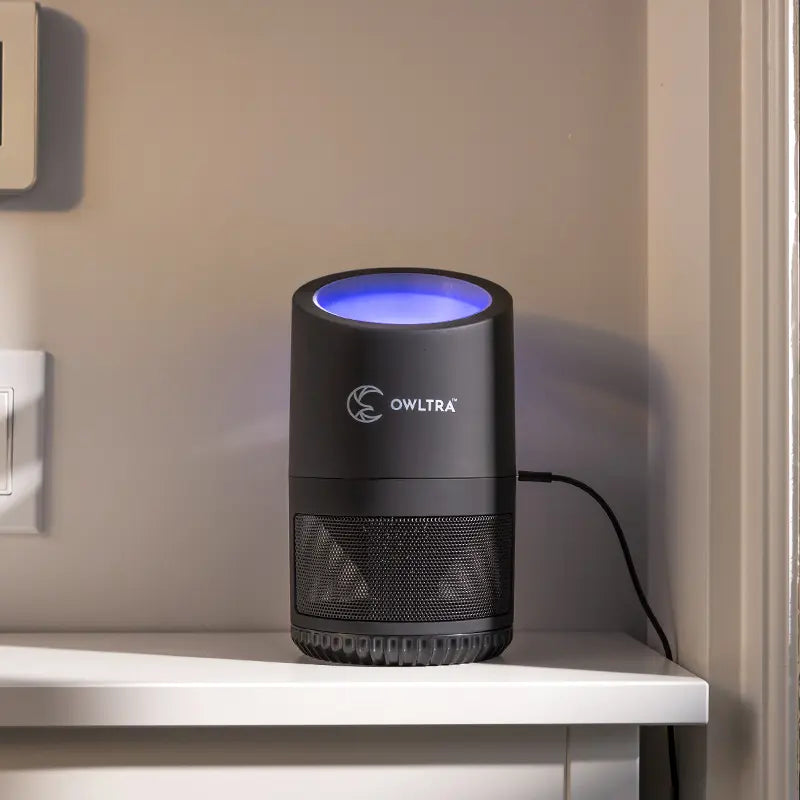
Electronic insect traps have quickly replaced traditional sticky strips and harsh chemical sprays for fighting indoor flying bugs. These days, the market is split between two main types: wall-outlet plug-in traps (like Zevo and Safer Home) and countertop suction traps (such as OWLTRA’s L60 and L70). Plug-in models rely on UV light to lure insects onto sticky pads, but OWLTRA’s fan-powered and enclosed setup actively pulls in bugs from farther away and locks them in more securely.
This review combines top research, user reviews, and expert opinions to show how OWLTRA’s three-in-one trapping system comes out ahead—so you can choose a solution that keeps your home pest-free, chemical-free, and cleaner overall.
Introduction
Imagine this: It’s summer, your kitchen is busy, and suddenly, the fruit bowl is swarming with gnats and fruit flies. Maybe you’ve noticed moths around the pantry light, or tiny bugs circling your houseplants. At times like these, you want a quick, safe fix that won’t leave a mess.
People used to hang up sticky fly strips above the sink or spray chemicals and hope for the best. Now, most indoor pest control has shifted to safer, non-toxic, and hands-off options. The latest traps use light, airflow, and adhesives for convenience, a cleaner look, and peace of mind.
But every trap works a bit differently. With so many wall plug-ins and countertop fan traps on store shelves, how do you figure out which one’s right for your space, needs, and budget? This guide looks past the marketing and digs into what really works, highlighting why OWLTRA often tops the lists.
Actionable Tips
Winning the fight against indoor insects takes more than just plugging in a device—it comes down to smart placement, regular maintenance, and knowing a bit about bug behavior and trap mechanics.
1. Place the Trap With Care
- Height matters. Kitchen bugs often fly at counter level or gather near lights; plant gnats tend to stick to soil or leaves. Place OWLTRA at the same height as your target pests.
- Proximity is power. Put your trap right next to fruit, trash bins, compost, or infested plants for faster results.
- Avoid competing light. The UV lure is less effective with lots of other lights on. Run traps overnight, in darkness, for best results.
2. Stick to a Maintenance Routine
- Replace glue boards weekly. Sticky pads fill up or get dusty, which can lower their effectiveness.
- Clean the fan now and then. Dust, pet hair, or crumbs can build up on the fan blades, making them less effective. Wipe or blow off the fan every few weeks.
- Indoor use only. OWLTRA traps aren’t waterproof, so keeping them dry is essential for safety and durability.
3. Know the Limitations
- Traps only catch adults. No UV trap deals with the pest source itself. For fruit flies, you’ll still need to remove rotting produce, clean up drains, and keep food scraps under control.
- For bigger bug problems, fan traps work better. When you’re seeing a lot of flying pests, OWLTRA’s active setup will usually catch more than passive plug-ins.
- Plug-ins: cheap and simple for mild cases. If you only have a few insects or want a totally silent, low-effort approach and don’t mind the sticky pad being visible, plug-ins are decent.
4. Step-by-Step OWLTRA Setup
- Remove the protective layer from the glue pad and lay it sticky side up at the bottom of the trap.
- Plug into a standard AC120V outlet.
- Set it near bug hotspots—typically 2–4 feet up, on a counter or shelf.
- Press the power button.
- Let it run overnight with other lights off.
- Swap out glue pads weekly and unplug for fan cleaning as needed.
5. Critical Success Factor
Remove breeding grounds. Any pest control pro will tell you: traps get the adults, but you have to clean up or remove attractants for lasting relief.
Conclusion
Dealing with indoor bugs doesn’t have to mean using chemicals or living with gross fly strips in plain sight. Today’s optical traps are safer, smarter, and do a better job of keeping your space pleasant.
Plug-in traps like Zevo and Safer Home are affordable and require little maintenance, making them a good fit for mild infestations. Their downsides are limited range, less flexible placement, and trouble dealing with mosquitoes. OWLTRA, mixing UV attraction with a fan and hidden adhesive, simply gets the job done more effectively—especially if you have a persistent problem or want something more discreet and food-safe.
No matter which trap you pick, your best bet is to use it where bugs are most active, run it in the dark, keep it clean, and target breeding areas for long-term control.
This way, you can take back your kitchen, protect your plants, and enjoy a more comfortable home—without constantly swatting at flies.