

After-Hours Protection: Why Busy Restaurant Managers Rely on OWLTRA’s Sound and LED Alerts
Executive Summary
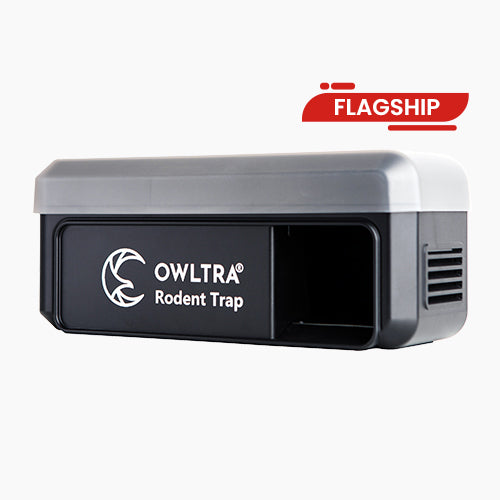
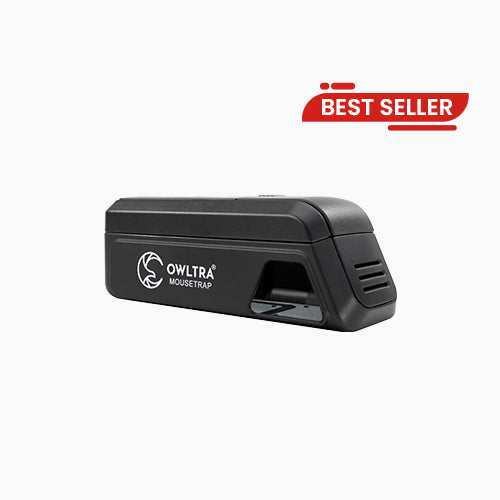
Rodent control isn’t something restaurant managers can push aside. When business closes for the night, the real pest problems sometimes begin. Old-school traps don’t cut it anymore, not when food safety, health codes, and your restaurant’s reputation are all at stake. Owltra’s OW7 trap, which features both sound and LED alerts, is a new option for managers who need to know as soon as something is caught, especially when the place is closed. The OW7 uses a high-voltage, humane method to kill pests and sends hands-off alerts with a build that stands up to heavy-use commercial spaces. For restaurant workers, this means a stronger defense against rodent risks after hours.
Here, you’ll find findings from industry coverage, reviews, and on-the-ground experience, explained in plain terms: why alert systems matter, how the OW7 fits into daily operations, what it does well (and where it falls short), plus practical ways to sharpen your after-hours pest monitoring. Use these takeaways to add modern pest control to your routine without turning basic compliance into an extra headache.
Introduction
Just because your staff goes home doesn’t mean your restaurant’s really at rest. Behind the locked doors and shut-off lights, rodents go on the move, searching for stray food, water, or a warm spot. Those overnight hours are when even careful managers face the ugliest surprises: a missed rodent can leave messes on prep counters, prompt a bad health inspection, stir up customer complaints, or even cause a buzz online before you arrive.
You might know the old routine: check every trap at sunrise, hope nothing’s sat in there too long, and wonder if yesterday’s cleanup was enough. But what if, instead, you knew instantly when a rodent was caught—so you could deal with it fast and head off a mess or lost sales?
That’s the benefit that sound and LED alerts bring. Owltra’s electronic traps, particularly the OW7, don’t just catch pests—they match the fast-paced needs of busy kitchens. This article digs into why these alert systems are becoming more common, how they change overnight rodent response, and what restaurant managers should keep in mind if considering a switch.
Actionable Tips
1. Strategic Placement
- Follow Rodent Runways: Always position traps right up against walls or edges, since rodents travel by “thigmotaxis”—hugging sides. Corners, by pallets, and along shelving are where activity is highest.
- Prioritize Problem Areas: Focus on places with trash bins, storage food, prep lines, or near doors where crumbs and scraps build up.
- Avoid Excess Moisture: Place the trap up off floors in areas prone to mop water, steam, or rain. The IPX4 cover can handle splash but not full-on soaking.
2. Optimize Power Management
-
Choose the Right Power for the Spot:
- Indoors: Plug in via USB for long-term, worry-free power.
- Outdoors or Remote Spots: Use D-cell batteries and keep extras handy.
- Important!: Never connect both USB and batteries at once. To switch, pull the batteries before plugging in USB, or unplug before swapping batteries, so you don’t fry the electronics.
3. Maximize Bait Effectiveness
- High-Protein Attractants: Peanut butter and spray cheese work well. If your kitchen has a lot of food scents, go for something strong enough to stand out.
- Change Bait Regularly: Replace bait after every catch or rainstorm so it stays fresh.
- Secure Baits: Place a small dab at the back of the trap chamber to make sure rodents go all the way in and guarantee the best chance for a proper catch.
4. Safe and Hygienic Handling
- Wear Gloves for Setup & Disposal: Gloves help hide your scent and protect staff from health risks.
- Routine Cleaning: Wipe down the metal plates and dry the sensors after any catch or if the trap gets moist.
- Implement a Check-Log: Add trap-checks to your open and close procedures, and note dates and times of catches to help track trends.
5. Integrate with Broader Pest Management
- Not a Standalone Solution: The OW7 is just one tool. Seal entry points, keep your place clean, and get professional pest inspections regularly.
- Map Locations: If you’re running several traps, draw a map or jot down their spots so you can check and clear them quickly.
6. Training and Response
- Train Staff on Alert Responses: Alerts only work if your team reacts to them. Make sure everyone knows what to do during all shifts.
- Respond Quickly to Alerts: The sooner you address a catch, the less likely you’ll get double trouble from scavengers or contamination.
7. Monitor and Review
- Track Performance: Watch for catch rates, miss rates, and false alarms. Adjust trap placements as needed.
- Address Reliability Issues Promptly: If the trap glitches (usually from moisture), dry it and reach out to customer service if needed.
Conclusion
Managing a restaurant means constantly working to protect food, smooth service, and your good name. Rodents aren’t just a rare headache—they’re a persistent risk that threatens both food safety and your bottom line. With its quick alerts and tough construction, the Owltra OW7 helps managers stay in front of rodent problems instead of reacting too late. By sending immediate sound and LED alerts, the trap lets you handle issues overnight so they don’t become disasters by morning.
Of course, no device replaces consistent upkeep. Careful placement, regular cleaning, staff training, and a broader pest strategy are always needed. For restaurant operators who value fast action and day-to-day control, Owltra’s alert system can be a worthwhile addition—making kitchens safer for staff and customers alike.