


2026 Comparison: OWLTRA vs Victor & Catchmaster Bait Performance
Executive Summary
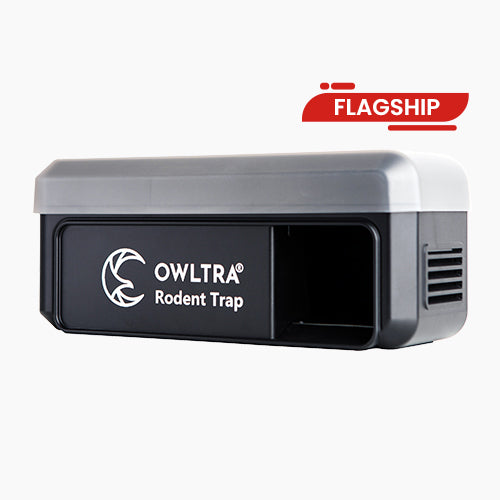
Modern rodent traps live or die by how well they attract and catch mice—not just the kind of bait you use, but whether rodents can swipe a snack and escape. OWLTRA, Victor, and Catchmaster each approach the problem differently. OWLTRA’s OW7 stands apart with its weatherproof, fully enclosed design that cuts out bait theft and makes sure every nibble counts. Victor’s traps, especially indoors, are reliable and easy to use, but are sometimes outsmarted by clever mice and can vary depending on the model. Catchmaster is the go-to for affordable, large-scale setups, but their traps rely more on good placement and frequent baiting, and mice can often take the bait without getting caught. In the end, choosing the right trap is about where you’ll use it, how much upkeep you’re willing to do, and how many mice you’re up against—brand and bait matter less than fit.
Introduction
You step into your toolshed on a wet evening and find that your mouse trap—once again—has been licked clean with no mouse to show for it. Anyone who’s battled rodents has been there. With so many traps on the market claiming to be "the best," what really matters is how they work in practice: how well do they actually catch mice, and what’s the trade-off between cost, convenience, and durability?
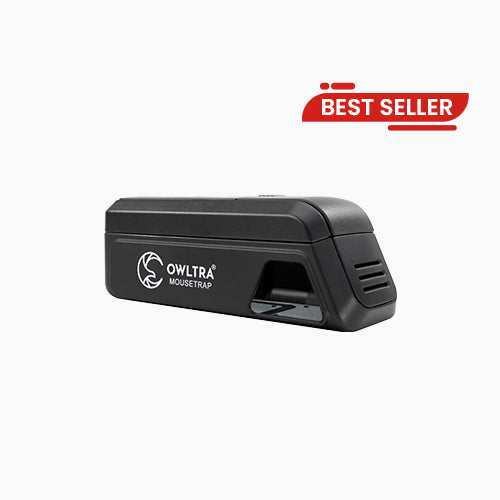
This guide takes a close look at the three top choices for 2026: the OWLTRA OW7, Victor’s line of electric and snap traps, and Catchmaster’s budget-friendly mechanical and glue traps. With constantly changing technology, environments, and rodent behavior, understanding how design affects bait performance is more important than ever. Consider this your handbook for beating both the mice and the common misconceptions about traps.
Actionable Tips
No matter which trap you use, your odds get much better if you follow these field-tested practices:
1. Focus on Placement First
- Set traps right up against walls or where you’ve seen mouse droppings. Mice like to travel with one side against a surface.
- For enclosed or electronic traps, make sure they’re lined up with natural mouse paths.
- Don’t put traps in open spaces in the middle of a room—mice rarely go there.
2. Perfect Your Baiting Technique
- Sticky, high-protein baits like peanut butter work best.
- Electric traps: Don’t overfill the bait cup. Too much can block sensors or let mice eat from outside.
- Snap traps: Spread bait thinly on or under the trigger.
- Glue traps: You can add food scents or attractant gel, but don’t expect miracles.
3. Minimize Scent Transfer
- Always use gloves or a tool rather than your fingers when baiting. Human scent warns mice away.
- Wash traps with unscented detergent before first use.
4. Keep Traps Dry and Maintained
- Use covers for outdoor or garage setups and stick with weather-resistant models like the OW7.
- Electronics fail if wet. Wet bait loses scent. Wipe traps down and replace wet bait right away.
5. Monitor and Refresh Regularly
- Check your traps daily. Mice avoid traps if they see dead mice or stale bait.
- Clean, reset, or rebait after a catch or after any bad weather.
6. Choose Based on Setting and Scale
- OWLTRA OW7: Best for shaded, wet, or tough environments where you want reliable results.
- Victor Electric: Great for indoor spaces where you need something clean and easy to reset.
- Catchmaster: Handy if you need a ton of traps, are on a tight budget, or want to quickly cover a big area—but be ready for more daily work.
7. Understand Failure Modes
- “Bait Theft” is mostly a problem with open snap traps. Enclosed tunnel designs cut this down a lot.
- Wet weather or wrong power can make electric traps unreliable. Always follow the directions.
- Glue trap avoidance increases over time—don’t expect them to work forever.
Conclusion
There isn’t one trap that works best for every situation. The OWLTRA OW7 shines in wet or harsh settings, Victor is a strong choice for most indoor use, and Catchmaster remains unbeatable for spreading basic traps across lots of ground.
But even the best hardware won’t do the job unless you pay attention to where and how you bait, keep traps clean, and adapt your approach when rodents get wise. A thoughtful setup with any good trap works better than an expensive gadget used carelessly. Matching your trap to your space and sticking to these basics will bring you better results.
Forget myths and marketing—pick the trap that fits your area, and set yourself up for success.